Why Flashing and Sealing Matter More Than Finishes 💧🧱
This is a subtitle for your new post
Finishes define how a home looks. Flashing and sealing define how long it lasts.
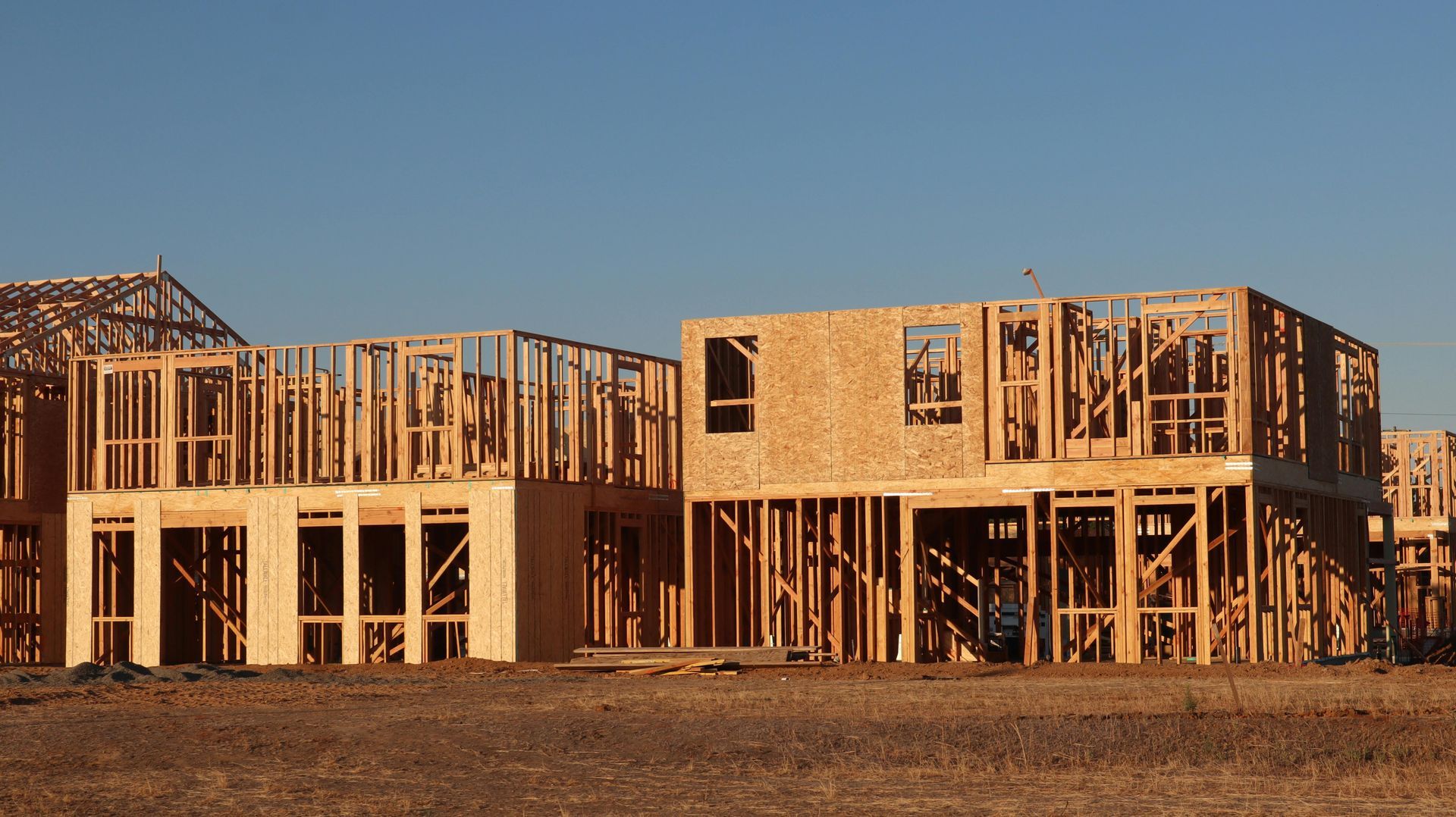
In coastal and rural South Texas, water intrusion is the leading cause of structural damage—and it almost always starts at transitions.
Where Water Enters Homes
Common entry points include:
- Window and door openings
- Roof-to-wall intersections
- Deck and porch attachments
- Mechanical penetrations
Without proper flashing, water is driven inward by wind pressure, gravity, and capillary action.
Flashing as a System, Not a Product
Effective flashing isn’t a single material—it’s a coordinated system.
A proper system includes:
- Rigid flashing where needed
- Flexible flashing tapes at transitions
- Drainage planes behind cladding
- Correct installation sequence
Each layer directs water outward before it reaches framing.
Coastal Conditions Increase Risk
Salt air degrades sealants faster. Wind-driven rain pushes water into seams aggressively. Temperature swings cause expansion and contraction.
These conditions demand:
- High-performance adhesives
- Flexible materials
- Skilled installation
Shortcuts here don’t fail immediately—they fail quietly, over time.
Why Finishes Can’t Fix Poor Sealing
Premium finishes cannot compensate for poor water management. In fact, they often hide problems until damage is severe.
Homes built with robust flashing systems:
- Protect framing and insulation
- Maintain energy efficiency
- Preserve indoor air quality
- Reduce long-term repair costs
How STHB Approaches Sealing
STHB prioritizes:
- System-based flashing strategies
- Proper sequencing
- Trained installation crews
- Inspection of critical transitions
This focus ensures homes remain dry, comfortable, and durable—long after finishes age.
NEWS