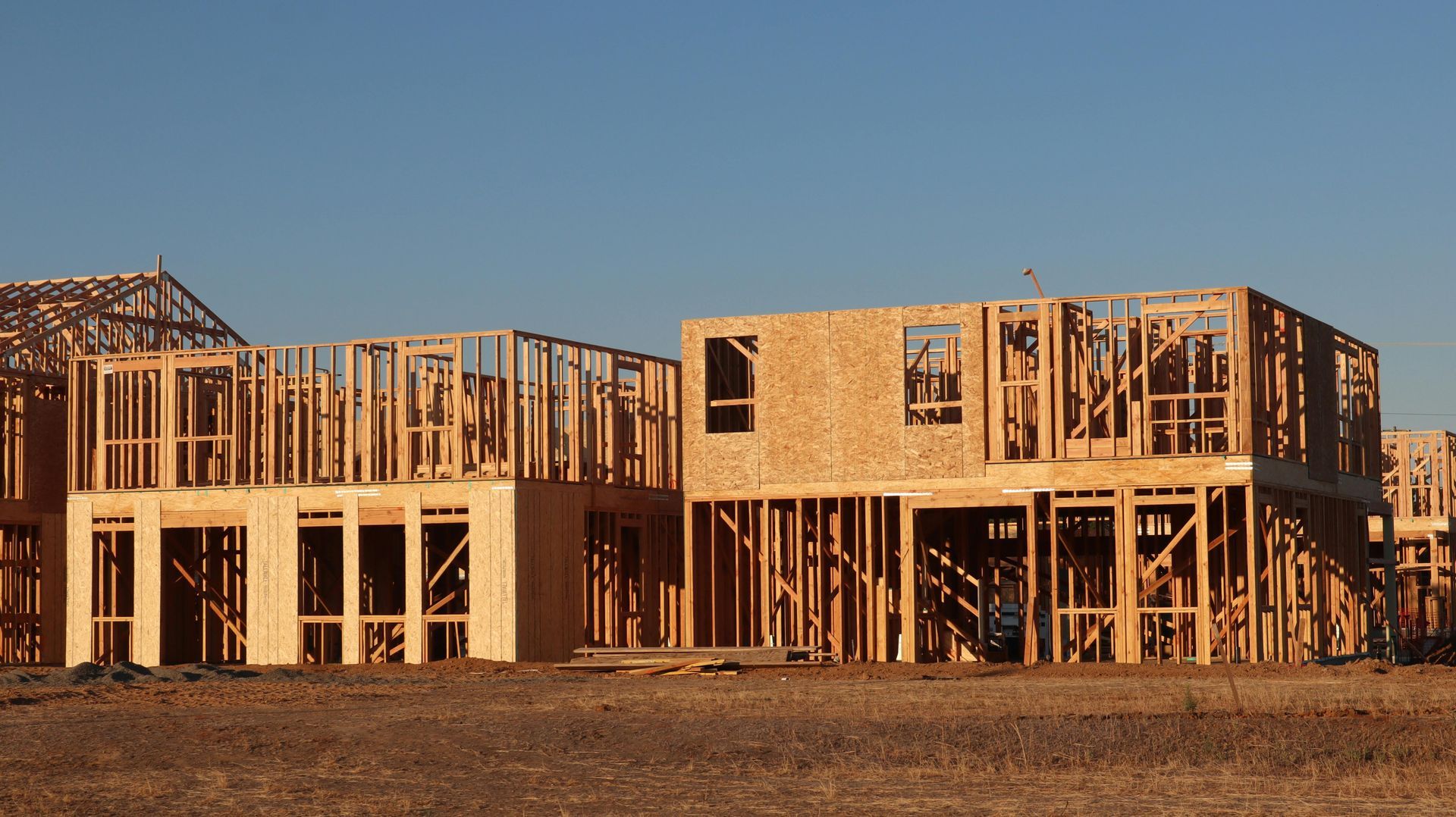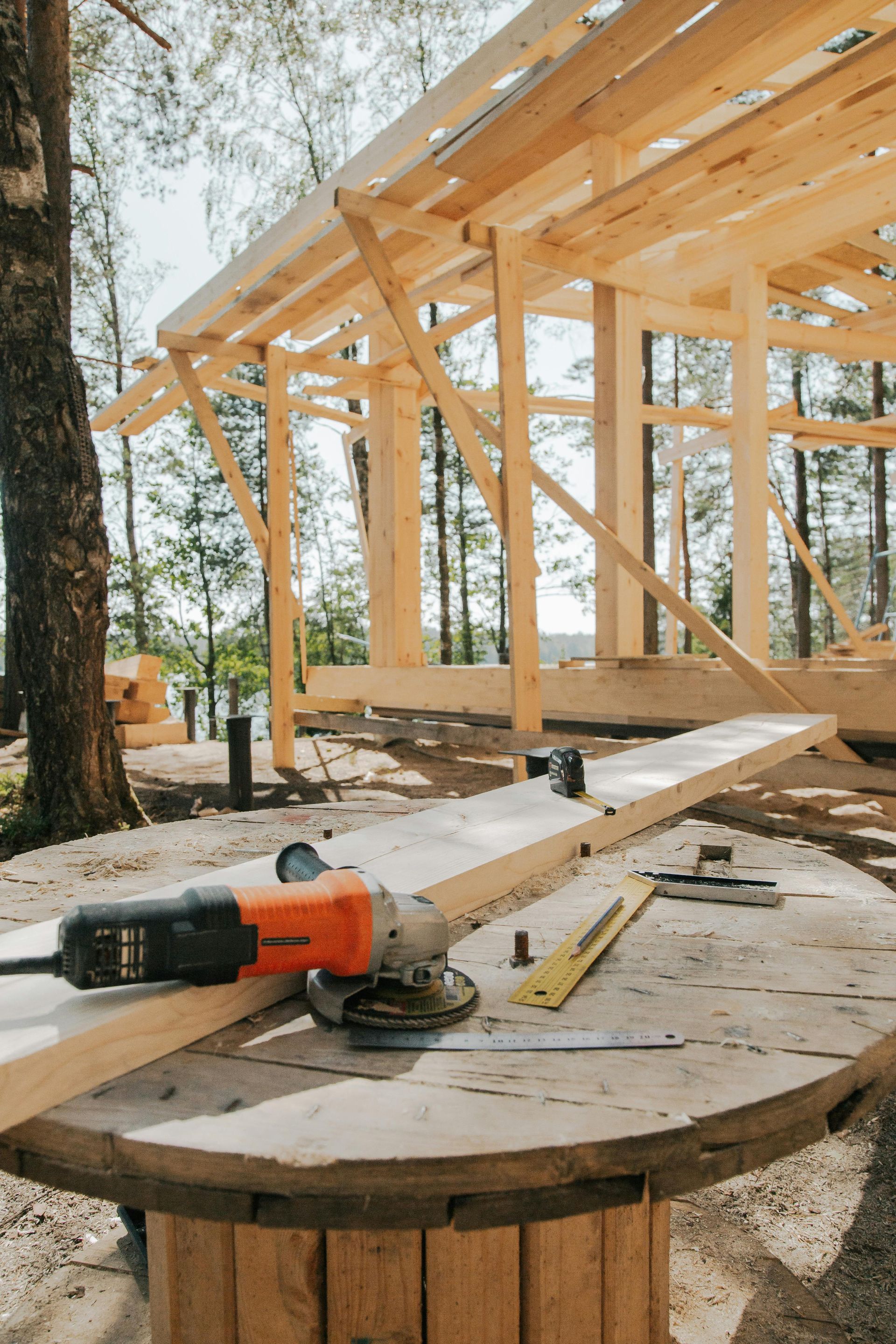
Understanding Wind Ratings and Structural Load Paths 🌬️📐

Wind damage rarely happens because of one dramatic failure. More often, it begins at a single weak connection that allows pressure to compromise the entire structure.
In South Texas, understanding wind ratings and structural load paths is essential to building homes that last.
What Is a Structural Load Path?
A load path is the route forces take through a structure.
In wind events, forces move:
- From the roof
- Into the walls
- Down to the foundation
- And into the ground
Every connection along this path must be continuous and properly rated.
How Wind Damages Homes
Wind applies:
- Uplift on roofs
- Lateral pressure on walls
- Suction at corners and edges
If connections fail—missing clips, under-driven fasteners, inadequate sheathing attachment—the system breaks.
Components of a Strong Load Path
A continuous load path includes:
- Hurricane clips or straps
- Engineered fastening schedules
- Properly attached sheathing
- Anchored foundations
Each component reinforces the next. Skipping one compromises the entire system.
Why Ratings Matter
Wind ratings define how much force materials and assemblies can withstand.
STHB designs homes to meet or exceed local wind requirements by:
- Using rated components
- Following engineered plans
- Inspecting critical connections during construction
This ensures the structure performs as a unified system.
The Difference You Don’t See
Load paths are hidden once construction is complete, but their presence determines how a home performs during storms.
Homes with proper load paths:
- Resist uplift and racking
- Maintain envelope integrity
- Reduce repair costs after storms
- Provide peace of mind year-round
STHB treats structural continuity as non-negotiable, because durability starts with engineering.
NEWS