How Lot Ownership Changes Your Build Timeline 📍⏳

Blake Brown • February 3, 2026

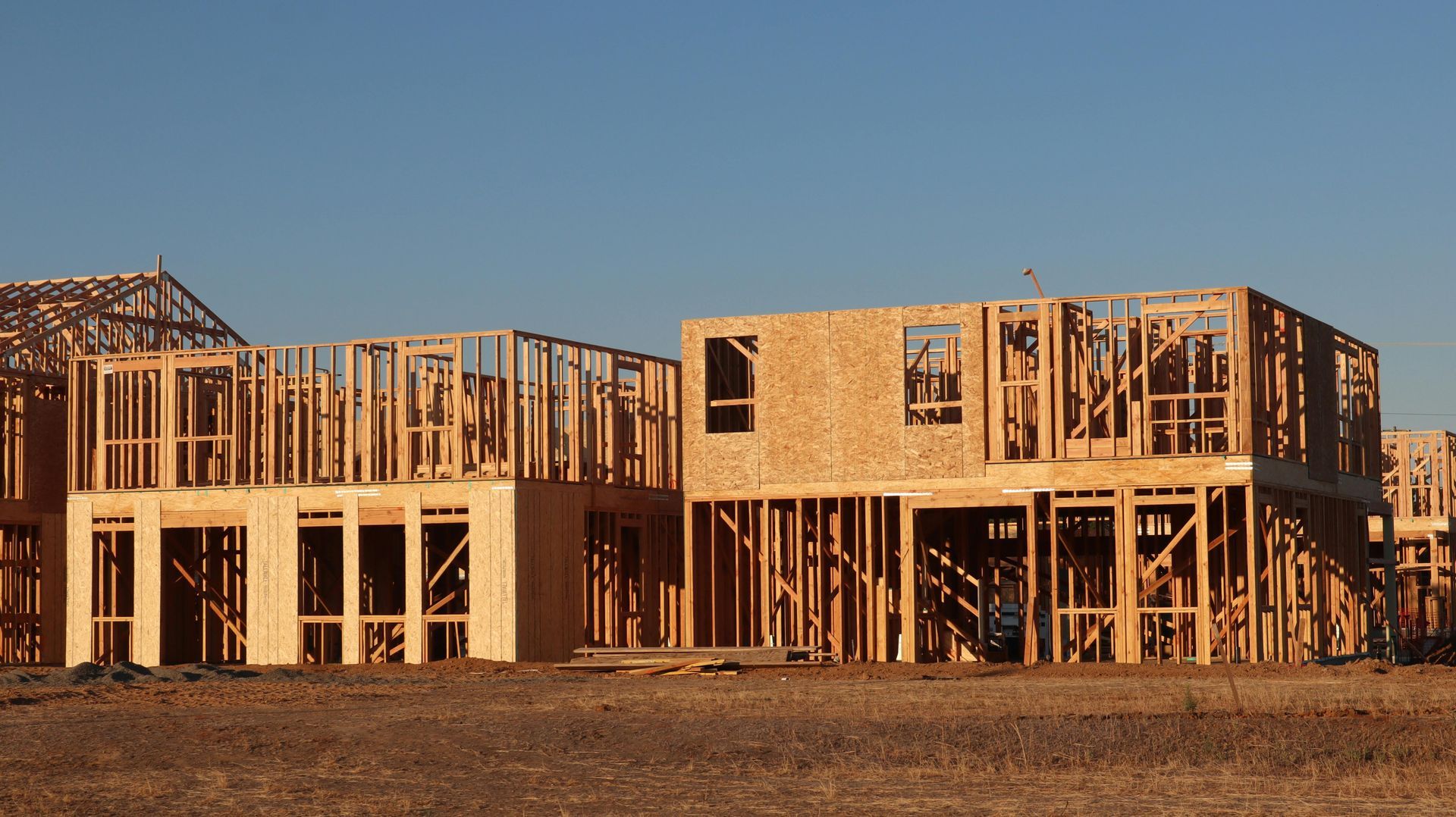
One of the biggest variables in a custom home timeline is whether or not the homeowner already owns land. Lot ownership influences design, permitting, financing, and scheduling in significant ways.

Understanding this relationship helps homeowners plan more realistically.

At South Texas Home Builders, timelines are shaped around land conditions as much as design preferences.

Building With an Owned Lot

Owning land provides certainty, but it also introduces responsibilities.

When a lot is already owned, early steps include:

  • Reviewing surveys and restrictions
  • Evaluating drainage and elevation
  • Confirming utility access
  • Identifying site constraints

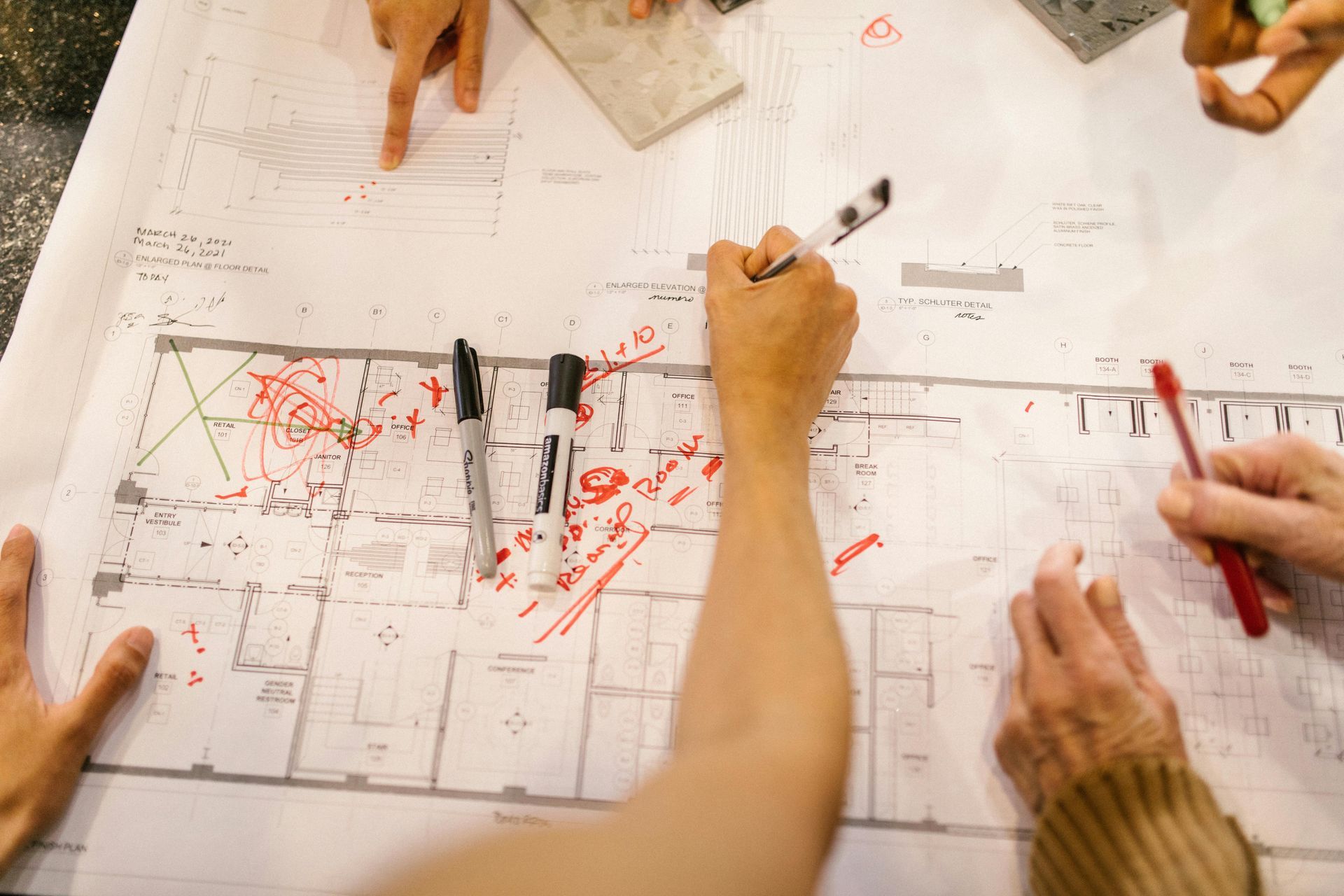
These factors shape design decisions and permitting timelines.

Building Without a Lot

Homeowners without land often experience a longer pre-construction phase.

Additional steps include:

  • Identifying suitable locations
  • Evaluating zoning and deed restrictions
  • Aligning budget with land cost
  • Coordinating land purchase timing with financing

However, not owning land yet can allow more design flexibility.

How Lot Conditions Affect Design

Lot-specific factors influence:

  • Foundation type
  • Orientation of the home
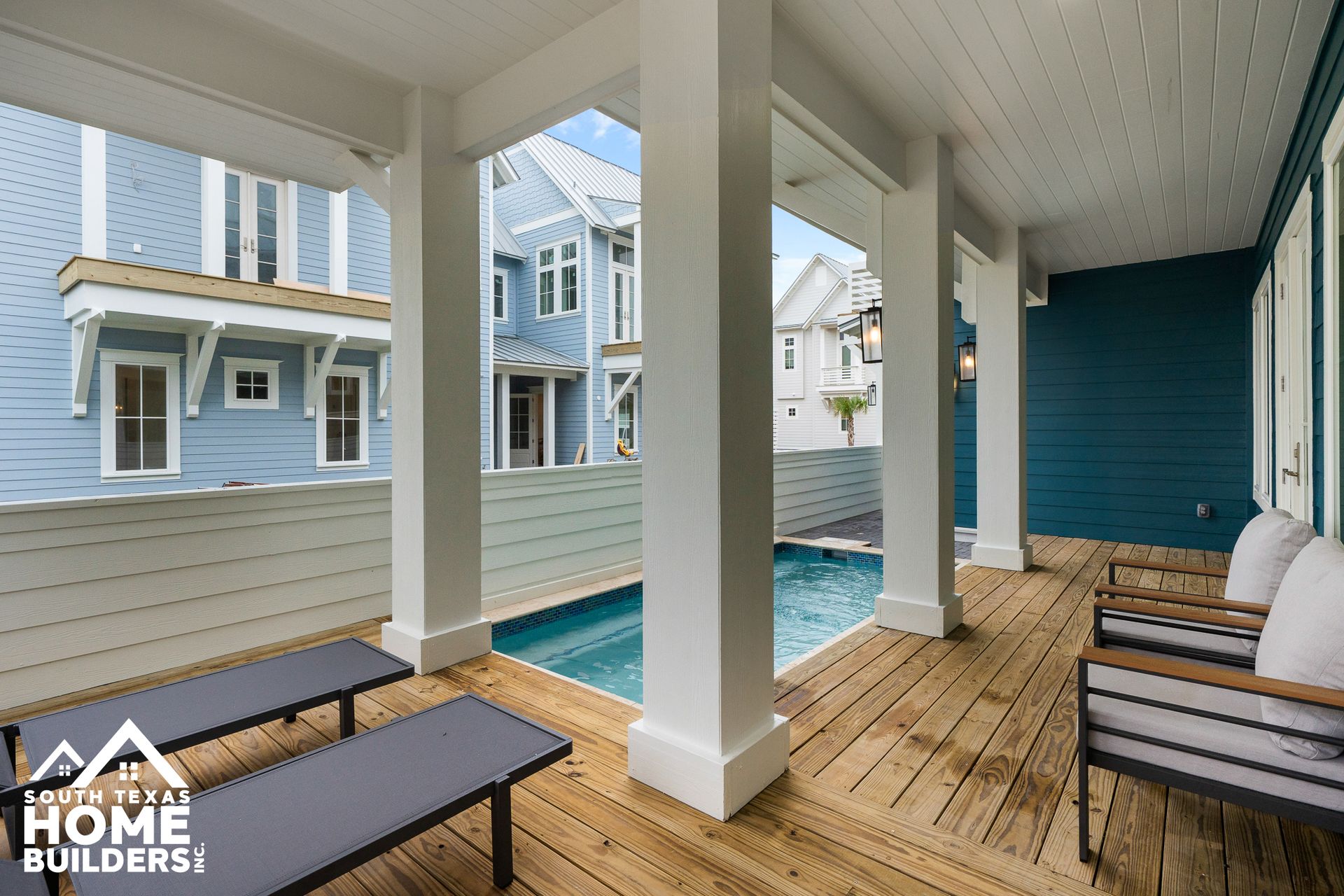
  • Outdoor living placement
  • Structural requirements

Ignoring these factors early often leads to delays later.

Permitting and Scheduling Impacts

Lot ownership affects:

  • When permits can be submitted
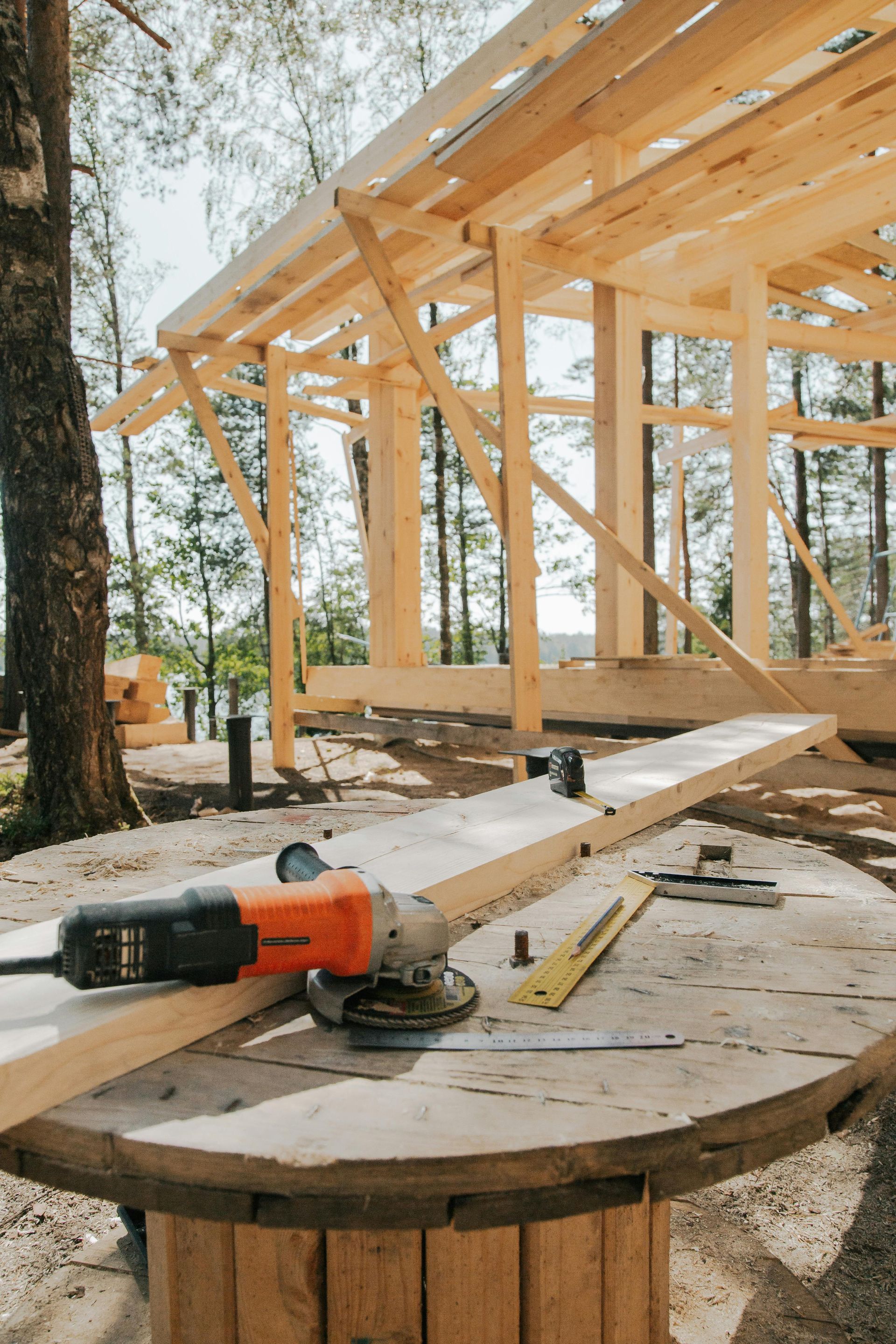
  • How quickly site work can begin
  • Inspection scheduling

Clear land information streamlines approvals and construction.

Why Early Evaluation Matters

STHB evaluates land early—whether owned or prospective—to ensure timelines remain realistic and projects stay on track.

The right lot doesn’t just support a home—it supports the entire build process.

NEWS

By Blake Brown February 3, 2026
Success in custom homebuilding isn’t defined by move-in day alone. It’s defined by how the home performs, feels, and supports daily life long after construction ends. At South Texas Home Builders, success is measured in years—not weeks. Beyond the Punch List While a completed punch list is important, true success includes: Consistent comfort Quiet mechanical systems Minimal maintenance issues Smooth daily routines Homes should feel intuitive, not demanding. Performance You Don’t Think About The best homes work in the background. Successful homes: Maintain stable temperatures Manage moisture quietly Handle weather without drama Require minimal adjustment When systems perform well, homeowners rarely notice them—and that’s the goal. Alignment With Lifestyle A successful home reflects how people actually live: Storage where it’s needed Spaces that adapt over time Layouts that support routines Design success shows up in everyday ease. Long-Term Confidence Homeowners feel successful when: They trust the construction They understand how their home works They’re confident in long-term durability STHB builds homes meant to earn that confidence. A Strong Finish Is a Strong Beginning The end of construction marks the beginning of ownership. Homes built with clarity, intention, and experience continue to perform well long after the final walkthrough—defining success not as a moment, but as an outcome.
By Blake Brown February 3, 2026
Most challenges in custom homebuilding don’t arise during construction—they start during planning. January is the perfect time to learn from common mistakes before committing to decisions that are difficult to undo. At South Texas Home Builders, many of these mistakes are preventable with early guidance. Mistake #1: Rushing the Planning Phase Eager homeowners often want to “get started” quickly. Rushing design and pre-construction can lead to: Budget overruns Layout regrets Mid-build changes Time invested early saves time later. Mistake #2: Designing Without the Lot in Mind Ignoring site conditions leads to: Drainage issues Awkward orientation Compromised outdoor spaces Design should respond to the land—not fight it. Mistake #3: Prioritizing Finishes Over Systems Finishes are visible, but systems matter more. Underinvesting in: Structural components Sealing and flashing HVAC and moisture control creates long-term performance issues. Mistake #4: Underestimating Storage and Flexibility Many homeowners regret: Insufficient storage Lack of adaptable spaces Overly specialized rooms Flexibility adds value without excess cost. Mistake #5: Not Asking Enough Questions A good builder welcomes questions. Homeowners who understand the process feel more confident and satisfied. STHB emphasizes education so clients make informed decisions—not assumptions.
By Blake Brown February 3, 2026
For years, bigger homes were seen as better homes. Today, more homeowners are rethinking that assumption. In 2026, the focus is shifting toward smart design —homes that function efficiently, adapt easily, and avoid unnecessary square footage. At South Texas Home Builders, “smarter” has always mattered more than “bigger.” The Cost of Unused Space Excess square footage increases: Construction costs Energy consumption Maintenance requirements Cleaning and upkeep Rooms that are rarely used still require heating, cooling, and care. Smart Design Prioritizes Function Smarter homes focus on: Efficient layouts Multipurpose rooms Clear circulation paths Integrated storage These features make homes feel larger without adding unnecessary space. Layout Over Size A well-designed 2,800-square-foot home can feel more comfortable than a poorly planned 3,500-square-foot home. Smart layouts: Reduce wasted hallways Improve natural light distribution Connect indoor and outdoor living Support daily routines naturally STHB designs homes from the inside out—starting with how people live. Efficiency and Comfort Go Hand in Hand Smaller, smarter homes are often: Easier to heat and cool More energy efficient Less expensive to maintain Better suited for long-term ownership These benefits compound over time. A Shift in Mindset Building smarter doesn’t mean sacrificing comfort or quality—it means investing where it counts. STHB helps homeowners right-size their homes so every square foot works harder and contributes to long-term satisfaction.
By Blake Brown February 3, 2026
Material selection is one of the most consequential decisions in a custom home build, yet many homeowners underestimate how timing affects these choices. January is an ideal moment to lock in materials thoughtfully, before schedules tighten and availability becomes more competitive. At South Texas Home Builders, early material decisions are treated as strategic—not cosmetic. Material Choices Shape the Entire Build Materials influence far more than appearance. They affect: Structural performance Moisture and air control Maintenance requirements Lead times and sequencing Long-term durability in coastal conditions Selecting materials early allows the entire project—engineering, budgeting, and scheduling—to align properly. January Offers More Flexibility Early in the year, homeowners often have: More time to review options Less pressure to rush selections Better access to supplier inventory Greater ability to compare performance, not just price Waiting until later in the year can limit options and introduce delays when materials are backordered. Coastal Conditions Demand Thoughtful Selection In South Texas, materials must withstand: Salt air exposure High humidity Wind-driven rain UV degradation Choosing coastal-grade materials early ensures compatibility across systems—roofing, siding, flashing, windows, and interior finishes. Avoiding Mid-Build Changes Late material changes often result in: Schedule disruptions Cost increases Compromised design cohesion Early decisions reduce the likelihood of change orders and allow trades to plan efficiently. Long-Term Value Over Short-Term Trends January is a planning month, not a trend month. Homeowners who focus on durability, performance, and adaptability—rather than what’s popular—tend to be more satisfied long term. STHB guides clients toward materials that age well and perform consistently in South Texas conditions.
By Blake Brown February 3, 2026
Permitting is one of the least visible—but most important—parts of building a custom home. January offers unique advantages for navigating this process, especially in South Texas. At South Texas Home Builders, permitting is approached proactively, not reactively. Understanding the Permitting Process Permits typically involve: Plan review Engineering approval Zoning and setback verification Utility coordination Inspection scheduling Each jurisdiction has its own requirements and timelines. Why January Can Be Advantageous Early in the year: Permit departments are often less congested Review timelines can be more predictable Projects enter queues before spring demand increases Submitting early reduces the risk of seasonal delays. What Can Slow Permitting Down Common issues include: Incomplete documentation Late design changes Unresolved site questions Utility coordination delays Preparation is the best way to avoid setbacks. The Builder’s Role in Permitting Experienced builders: Know local requirements Prepare complete submissions Communicate with officials effectively Schedule inspections efficiently This expertise reduces uncertainty for homeowners. Permitting as Part of the Planning Strategy Permitting should not feel like a barrier—it’s a step in building responsibly. STHB integrates permitting into the broader project timeline so construction flows smoothly once approvals are in place.
By Blake Brown February 3, 2026
Few homeowners build a custom home expecting to move again soon. That makes adaptability one of the most valuable design features a home can have—especially in South Texas, where long-term ownership is common. At South Texas Home Builders, adaptability is built into the design process from the start. Why Homes Need to Adapt Over time, households may experience: Family growth or children leaving home Remote or hybrid work shifts Aging-in-place needs Multi-generational living Changes in hobbies or storage needs Homes that cannot adapt often require costly renovations later. Flexible Room Design Adaptable homes avoid overly specialized spaces. Instead, they include: Rooms with neutral proportions Closets that allow use as bedrooms or offices Layouts that support future reconfiguration Electrical and lighting planned for multiple uses Flexibility allows a room’s purpose to evolve without construction. Accessibility Without Sacrificing Design Planning for future accessibility doesn’t mean compromising aesthetics. Thoughtful features include: Wider doorways and hallways Minimal level changes Bathrooms that can be adapted later Ground-floor living options These elements often go unnoticed until they’re needed. Structural and System Planning Adaptable homes also plan for future systems: Electrical capacity for new technology HVAC zoning flexibility Plumbing access for future modifications Planning infrastructure early reduces disruption later. Long-Term Value of Adaptable Homes Homes that adapt well: Stay functional longer Reduce renovation costs Appeal to a wider range of future buyers STHB designs with long-term ownership in mind—creating homes that evolve with the people living in them.
By Blake Brown February 3, 2026
When people think about designing a custom home, they often focus on how they live today. The most successful homes, however, are designed around how life is likely to look several years from now. January is the ideal time to step back and think intentionally about lifestyle—before design decisions lock you into patterns that no longer fit. At South Texas Home Builders, lifestyle-driven design is one of the most important early conversations we have with clients. Lifestyle Is More Than Square Footage A larger home doesn’t automatically function better. Homes that support daily life are designed around routines, habits, and future needs rather than room count. Key lifestyle considerations include: How often you work from home How you entertain guests Whether family size may change Storage needs for hobbies or coastal living Desire for privacy versus openness Designing with lifestyle in mind creates spaces that feel natural, not forced. Work, Home, and Flexibility Work-from-home arrangements remain common, but needs vary widely. Some homeowners need a quiet, enclosed office. Others need flexible space that can shift between work, guests, or hobbies. Good design includes: Separation between work and living zones Sound control where needed Natural light without glare Access to outdoor spaces for breaks These details support productivity without dominating the home. Entertaining and Everyday Flow Homes that support entertaining don’t require large formal spaces. Instead, they emphasize flow. Effective layouts often include: Kitchens connected to living areas Easy access to outdoor living Clear circulation paths Spaces that accommodate both small gatherings and larger events Designing for how people actually gather prevents underused rooms and awkward layouts. Planning for Change Life changes—sometimes gradually, sometimes suddenly. Homes that adapt well include: Rooms that can change function Bathrooms that accommodate aging Minimal level changes Thoughtful circulation widths Planning for flexibility does not mean overbuilding. It means designing intentionally. Why Lifestyle Design Matters Long-Term Homes designed around lifestyle: Feel more comfortable daily Require fewer renovations later Retain value better Support long-term ownership STHB approaches design as a reflection of how clients want to live—not just how homes look on paper.
By Blake Brown February 3, 2026
A successful custom home build depends as much on the relationship as the construction itself. Clear communication, aligned expectations, and mutual trust shape the entire experience. At South Texas Home Builders, relationships are treated as foundational. Communication Sets the Tone Strong builder–client relationships prioritize: Transparency Regular updates Clear documentation Honest conversations Uncertainty erodes trust; clarity builds it. Expectations Must Be Aligned Early Misaligned expectations create frustration. Good relationships establish: Realistic timelines Defined responsibilities Clear decision-making processes Agreed-upon communication channels This prevents confusion later. Experience Matters Experienced builders anticipate challenges before they arise. They guide clients through: Design decisions Budget tradeoffs Construction sequencing Inspection processes Confidence grows when homeowners feel informed, not overwhelmed. Collaboration Over Control The best projects feel collaborative—not adversarial. STHB encourages partnership, where clients are involved and informed without being burdened by daily logistics. Why the Relationship Outlasts the Build A well-built home is important. A well-managed experience matters just as much. Homes built through strong relationships tend to: Stay closer to budget Encounter fewer disputes Deliver higher satisfaction STHB builds homes—but also trust.
By Blake Brown February 3, 2026
One of the most common questions homeowners ask in January is whether to build now or wait. The answer is rarely about market timing alone—it’s about readiness and priorities. South Texas Home Builders helps clients evaluate this decision with clarity, not pressure. Reasons Homeowners Consider Waiting Common concerns include: Budget uncertainty Land availability Life changes Fear of committing too early Waiting can make sense when major variables remain unresolved. Reasons Building Now Can Be Advantageous Building sooner often allows: Earlier planning and design More control over outcomes Avoiding prolonged compromise Locking in priorities before conditions change Time spent waiting doesn’t always create better clarity. The Cost of Waiting Isn’t Always Obvious Delaying can lead to: Continued rent or maintenance costs Rising material or labor prices Missed lifestyle improvements Prolonged dissatisfaction with current space Waiting has costs beyond dollars. A Balanced Decision The best decision considers: Financial stability Emotional readiness Lifestyle alignment Long-term plans STHB encourages homeowners to gather information early so waiting—or building—is a confident choice, not a guess.
By Blake Brown February 3, 2026
Financing a custom home differs from purchasing an existing property. Understanding the basics early helps homeowners plan confidently and avoid unnecessary delays. South Texas Home Builders works alongside lenders and clients to ensure expectations stay aligned throughout the process. Construction Loans vs. Traditional Mortgages Custom homes are typically financed through construction loans, which: Fund the build in stages Convert to permanent financing after completion Require detailed plans and budgets upfront This structure protects both homeowner and lender during construction. What Lenders Look For Lenders generally evaluate: Creditworthiness Debt-to-income ratios Land ownership or equity Builder qualifications Project feasibility Clear documentation and experienced builders streamline approval. Timing Matters Financing discussions should begin early—often during pre-construction. Early preparation allows: Better budget alignment Smoother draws during construction Fewer surprises mid-project STHB helps clients understand when financial steps intersect with the build process. Managing Cash Flow During Construction Construction loans are disbursed in phases based on progress. This makes accurate scheduling and inspections critical. Experienced builders coordinate draws efficiently, preventing delays and cash-flow issues. Financing as a Planning Tool Good financing supports good building. STHB encourages homeowners to view financing as part of the overall strategy—not a separate hurdle—so construction proceeds smoothly from start to finish.
More Posts