Windstorm Insurance for New Construction in South Texas: What Homeowners Need to Know 🌀💵
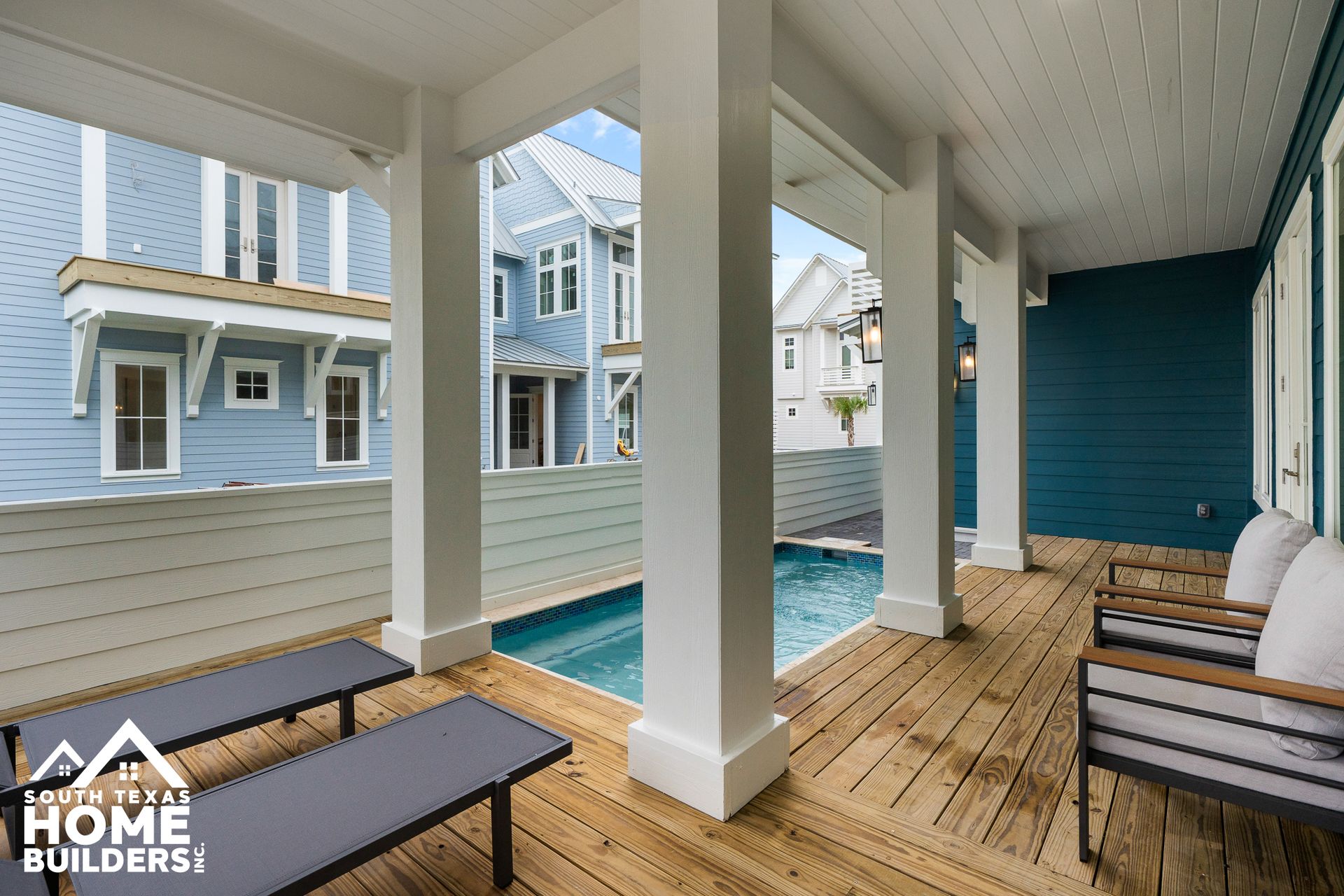
If you're building a custom home along the Texas coast, windstorm insurance isn't optional — it's a requirement for most lenders and a financial necessity for any property owner in the Gulf region. Understanding how it works before you build can save you thousands of dollars over the life of your home.

South Texas Home Builders guides every coastal client through windstorm certification as part of the build process. Here's what you need to know.
🗺️ Step 1: Are You in the Windstorm Insurance Territory?
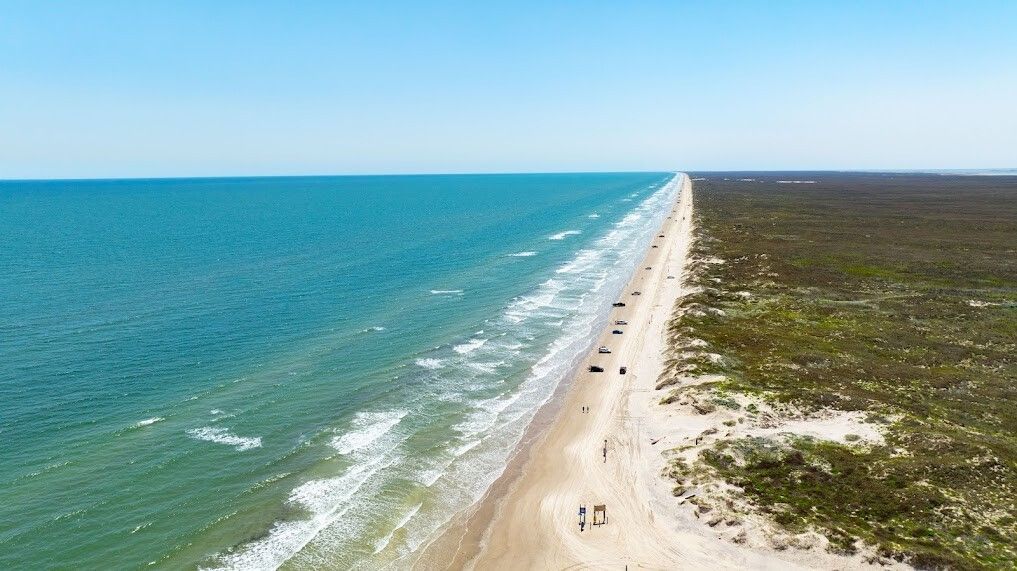
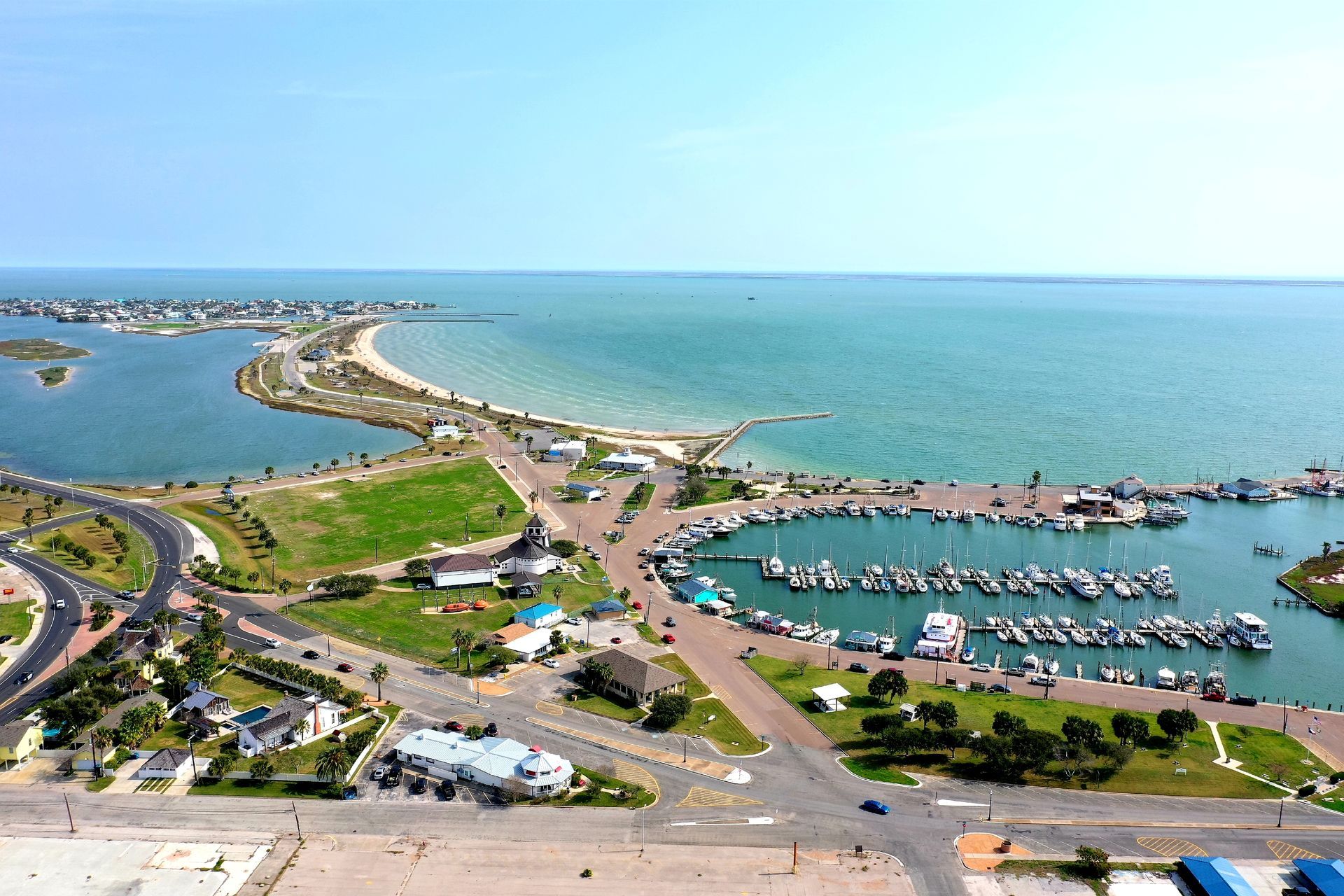
Texas has a designated windstorm insurance area covering 14 coastal counties, all managed under the Texas Windstorm Insurance Association (TWIA). In our service area, this includes:
✔️ Nueces County — Corpus Christi, Port Aransas, Flour Bluff
✔️ Aransas County — Rockport, Fulton, Holiday Beach
✔️ San Patricio County — Sinton, Portland, Ingleside, Aransas Pass
✔️ Calhoun County — Port Lavaca, Seadrift, Port O'Connor
✔️ Refugio County — Refugio, Woodsboro
💡 Builder Tip: If your lot falls in one of these counties, your new home will need a Certificate of Compliance from TDI to qualify for windstorm coverage through TWIA or private carriers.
🔍 Step 2: How TDI Certification Works
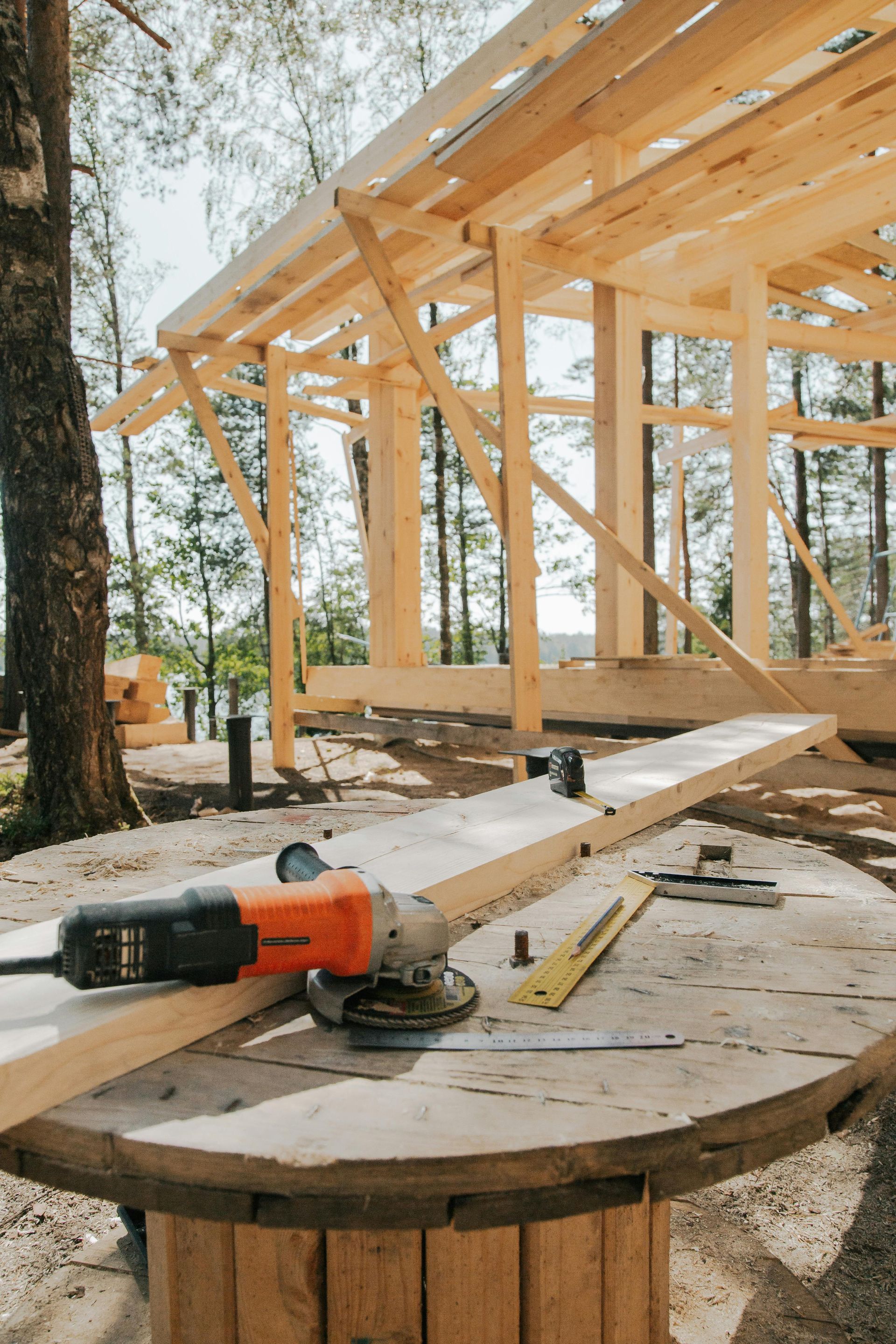
Windstorm certification isn't just a form you file at the end of construction. It's a process built into the build itself:
✔️ Builder must use TDI-approved construction materials and methods
✔️ A TDI-licensed inspector must be on site at specific milestones
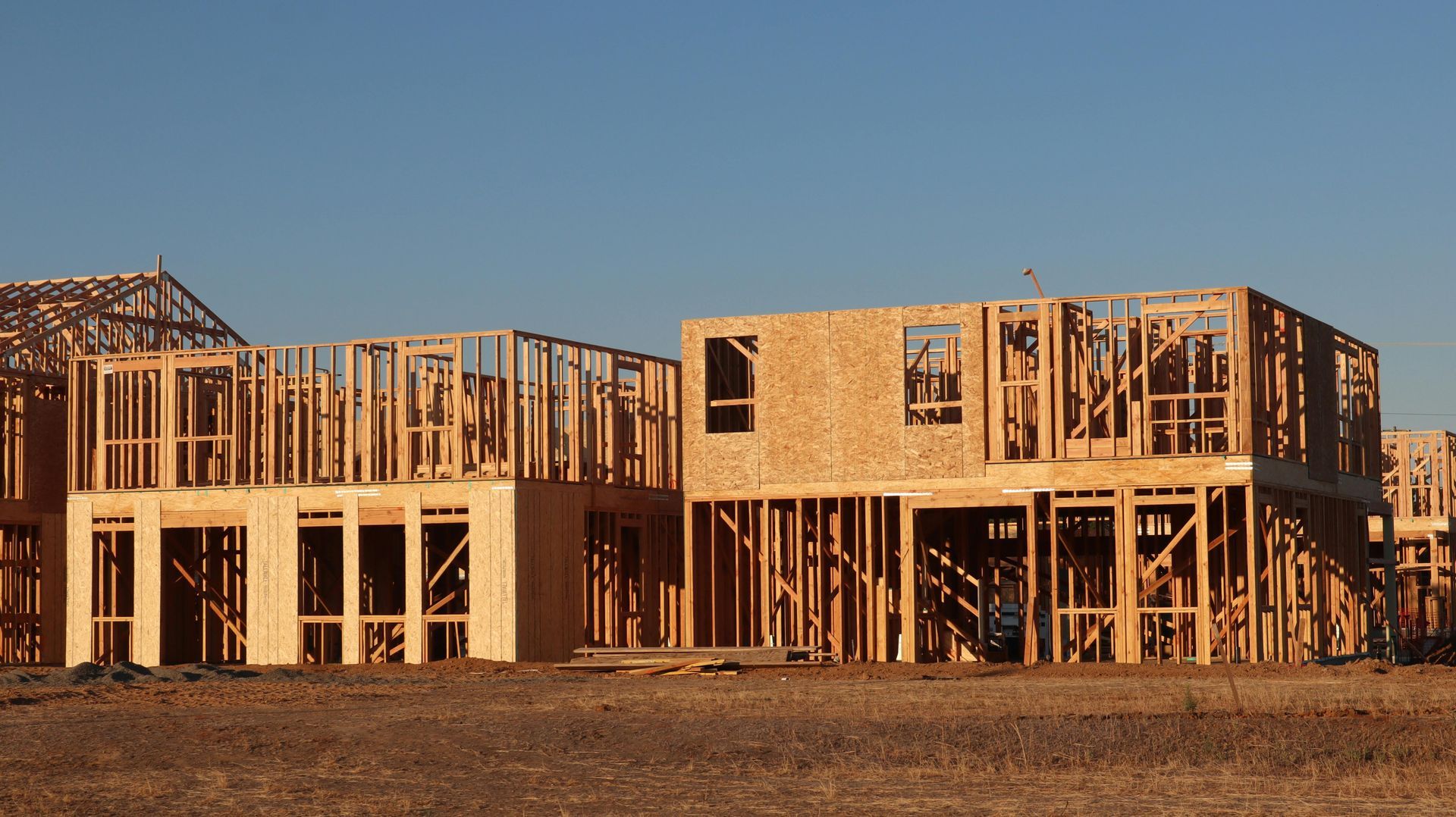
✔️ Milestones include foundation, framing, sheathing, and opening installation
✔️ Inspector signs off at each stage — missed stages cannot be retroactively certified
💡 Builder Tip: This is why choosing an experienced coastal builder matters. A builder unfamiliar with TDI requirements can miss an inspection window, making certification impossible without costly reconstruction.
💰 Step 3: How Construction Quality Affects Your Premium
Not all certified homes pay the same premiums. TWIA and private windstorm carriers rate homes based on construction features. Higher-quality construction typically means lower premiums:
✔️ Hip roof vs. gable roof — hip roofs perform better in wind and cost less to insure
✔️ FORTIFIED certification — can unlock substantial premium discounts
✔️ Impact-rated openings — reduces vulnerability and premium
✔️ Construction year — newer homes with current code compliance rate better
💡 Builder Tip: We design with insurability in mind. Small architectural decisions — like roof shape — can have multi-thousand dollar annual impacts on your windstorm premium. We flag those tradeoffs early.
📋 Step 4: What Documentation You'll Need
At the end of construction, the following documents support your windstorm coverage application:
✔️ Certificate of Compliance from TDI (we coordinate this)
✔️ Elevation certificate from a licensed surveyor (flood zone properties)
✔️ FORTIFIED designation certificate (if applicable)
✔️ Builder's documentation of materials and methods used
💡 Builder Tip: We maintain complete documentation throughout the build. Clients shouldn't have to chase paperwork to get their home insured.
🏡 Building on the Texas Coast?
Windstorm certification is one of the most important reasons to choose an experienced coastal builder. South Texas Home Builders has been navigating TDI requirements in Nueces, Aransas, San Patricio, and Calhoun counties since 2002. We handle the process — you enjoy the home.
Ready to build your custom home in the Texas coast? 📞 Contact South Texas Home Builders today at (361) 906-9107 or visit southtexhomebuilders.com to get started.
NEWS