Energy Efficient Custom Homes in South Texas: What Actually Works ⚡🌡️
Energy efficiency in South Texas isn't a luxury upgrade — it's a practical necessity. When summer temperatures push past 100 degrees for weeks at a time, an inefficient home becomes an expensive home. The decisions you make during construction determine your utility bills for the next 20 years.
At South Texas Home Builders, we build energy-efficient homes not because it's trendy, but because our clients live here. Here's what actually moves the needle.
🏠 Step 1: The Envelope Comes First
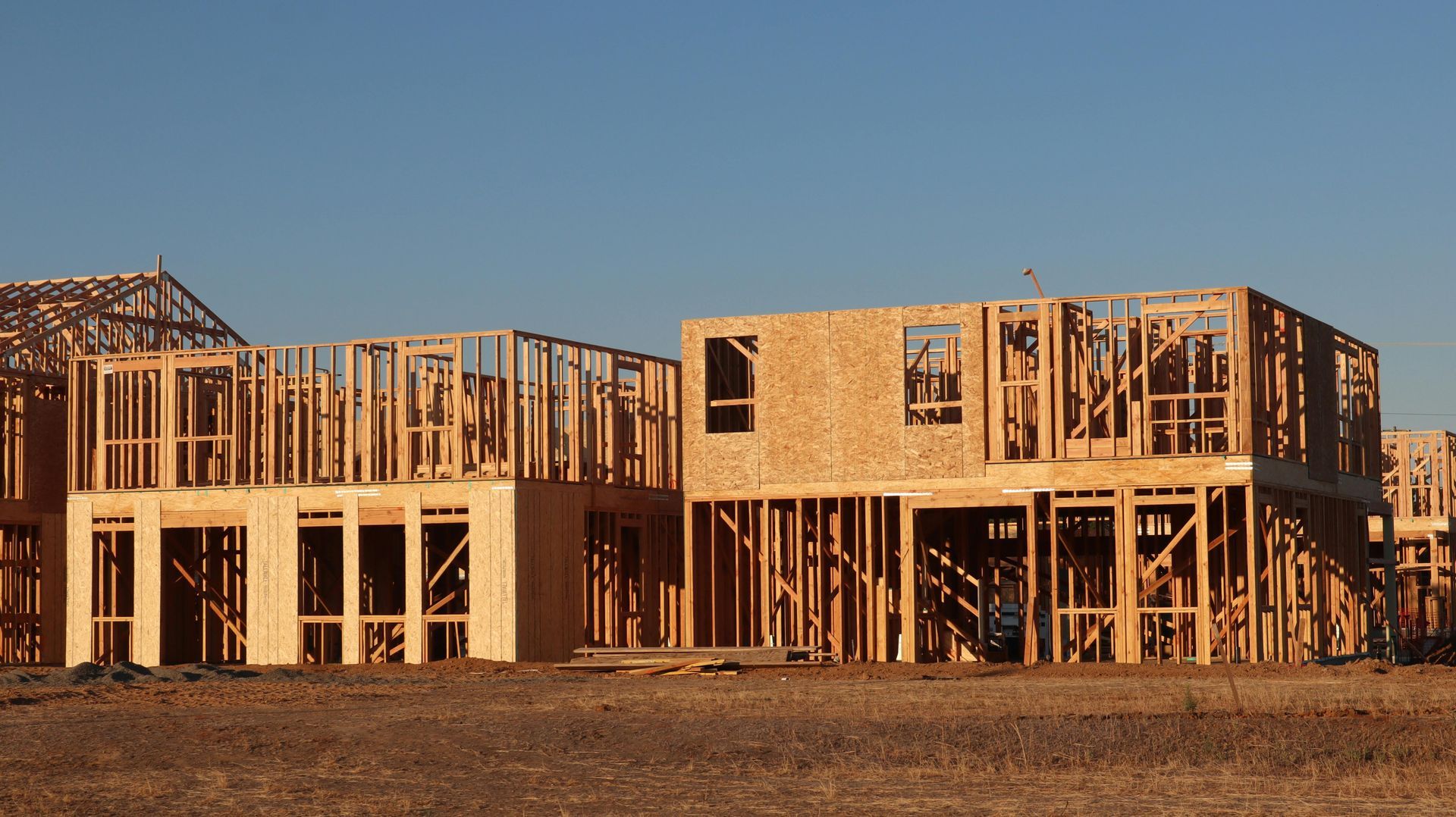
The building envelope — your walls, roof, windows, and foundation — is where energy performance is won or lost. No HVAC system can overcome a poorly insulated or air-sealed envelope.
✔️ Spray foam insulation in the roof deck (conditioned attic) — eliminates the attic as a heat source
✔️ Continuous insulation on exterior walls in addition to cavity fill
✔️ Sealed penetrations — every wire, pipe, and joint is a potential air leak
✔️ High-performance windows with low solar heat gain coefficient (SHGC) ratings
💡 Builder Tip: A conditioned attic using closed-cell spray foam in South Texas typically reduces HVAC loads by 20 to 30% compared to a ventilated attic with blown insulation. That translates to a smaller system and lower monthly bills.
🌬️ Step 2: Right-Size Your HVAC System
Oversized HVAC systems are one of the most common energy problems in new construction. A system too large for the home:
✔️ Short-cycles — runs in short bursts that don't properly dehumidify
✔️ Creates hot and cold spots throughout the home
✔️ Wears out faster due to frequent starting and stopping
✔️ Costs more upfront and more to operate
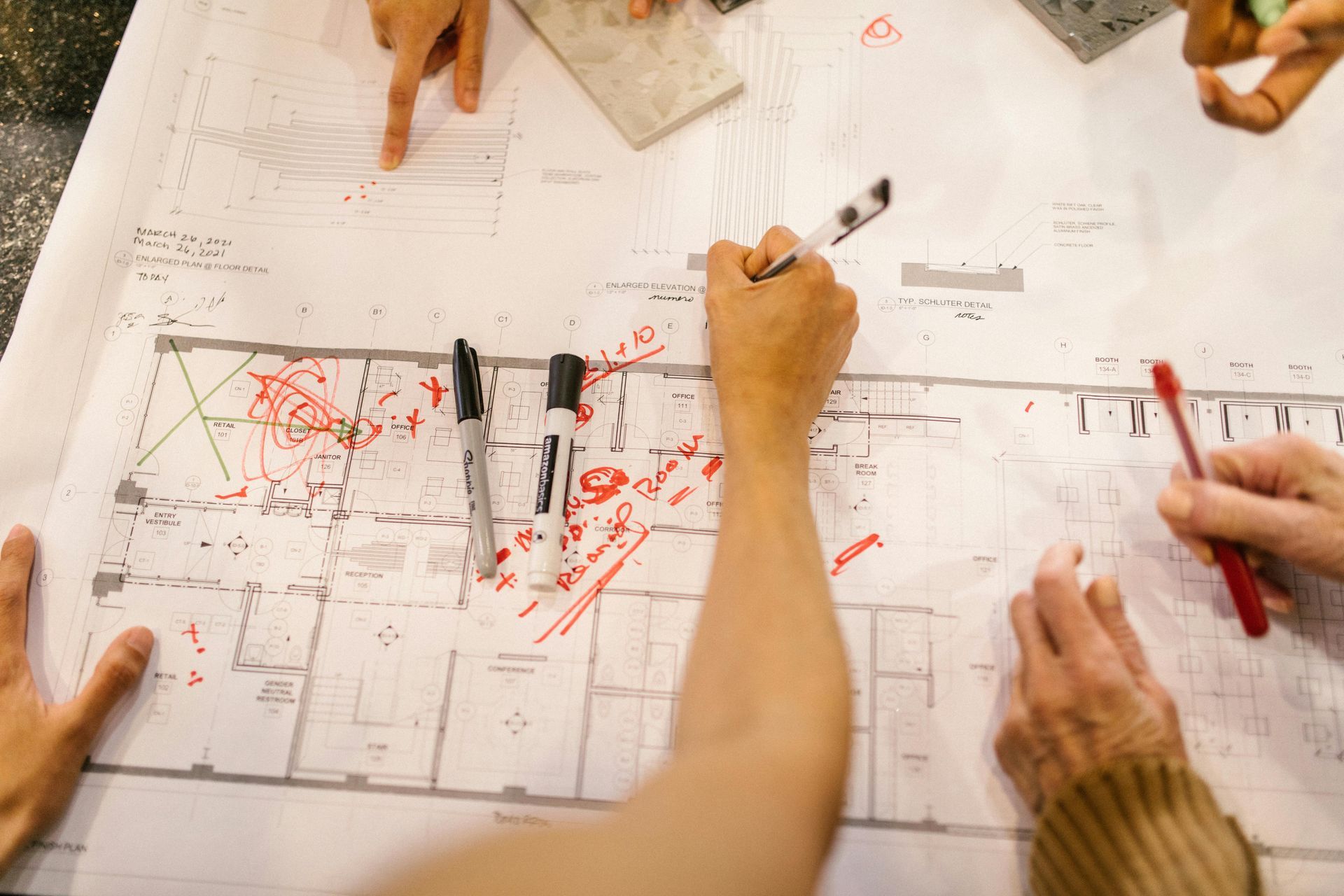
💡 Builder Tip: We work with HVAC engineers to perform Manual J load calculations for every home. Right-sizing means the system runs efficiently and handles South Texas humidity — not just temperature.
☀️ Step 3: Roof and Overhang Design
Your roof is both a structural system and a solar shield. Key choices:
✔️ Light-colored or reflective roofing material — reduces radiant heat gain
✔️ Generous roof overhangs — shade walls and windows from direct summer sun
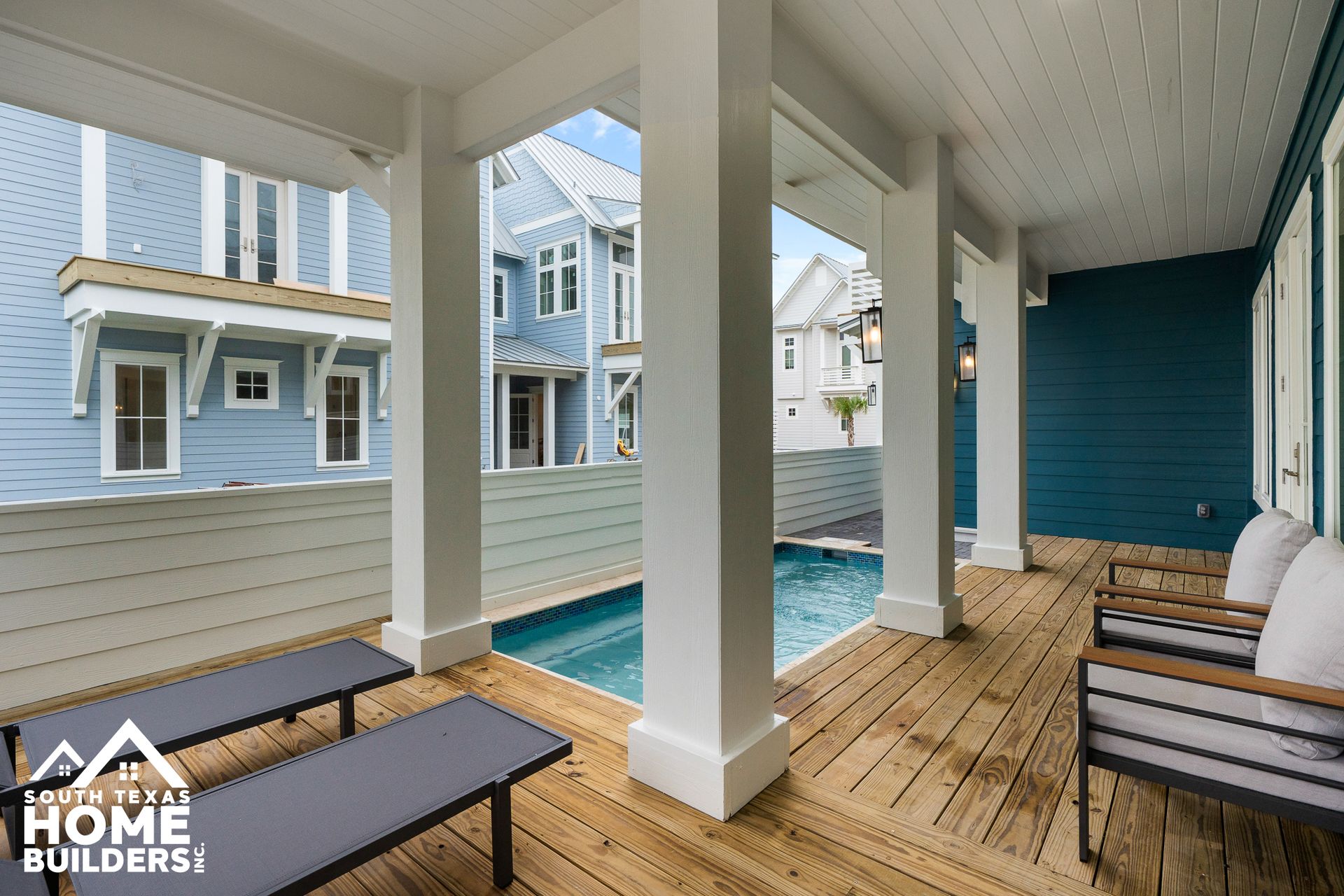
✔️ Covered outdoor living structures — extend the home's thermal protection outdoors
✔️ East and west wall shading — reduces the most intense sun angles
💡 Builder Tip: A 24-inch roof overhang on south-facing walls costs very little to build and meaningfully reduces solar gain. It's one of the highest-value energy strategies available.
💧 Step 4: Moisture Management in a Coastal Climate
South Texas humidity is as much of a comfort and efficiency issue as heat. Poor moisture management leads to:
✔️ Mold and mildew in walls, crawlspaces, and HVAC systems
✔️ Elevated indoor humidity that makes 78°F feel like 85°F
✔️ HVAC systems working overtime to compensate
✔️ Premature deterioration of finishes and building materials
💡 Builder Tip: Vapor barriers, sealed crawlspaces (where applicable), and energy recovery ventilators (ERVs) are part of our standard approach to moisture management in South Texas construction.
🏡 Building an Energy-Efficient Home on the Texas Coast?
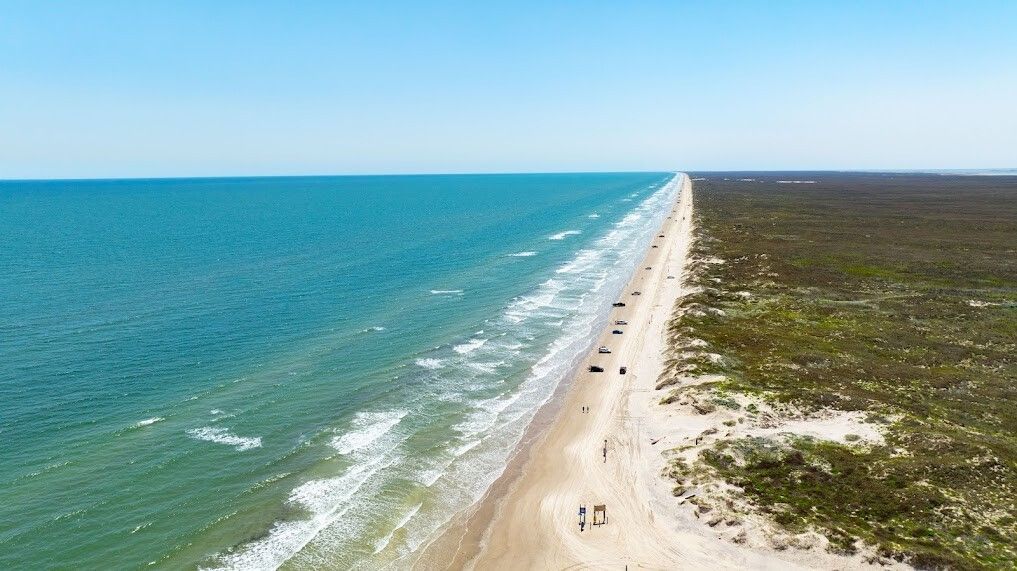
South Texas Home Builders designs and builds homes that perform efficiently in one of the most demanding climates in the country. From Corpus Christi to Port Aransas to rural South Texas, we bring the same energy-first approach to every build.
Ready to start your custom home journey in South Texas? 📞 Contact South Texas Home Builders today at (361) 906-9107 or visit southtexhomebuilders.com to get started.
NEWS