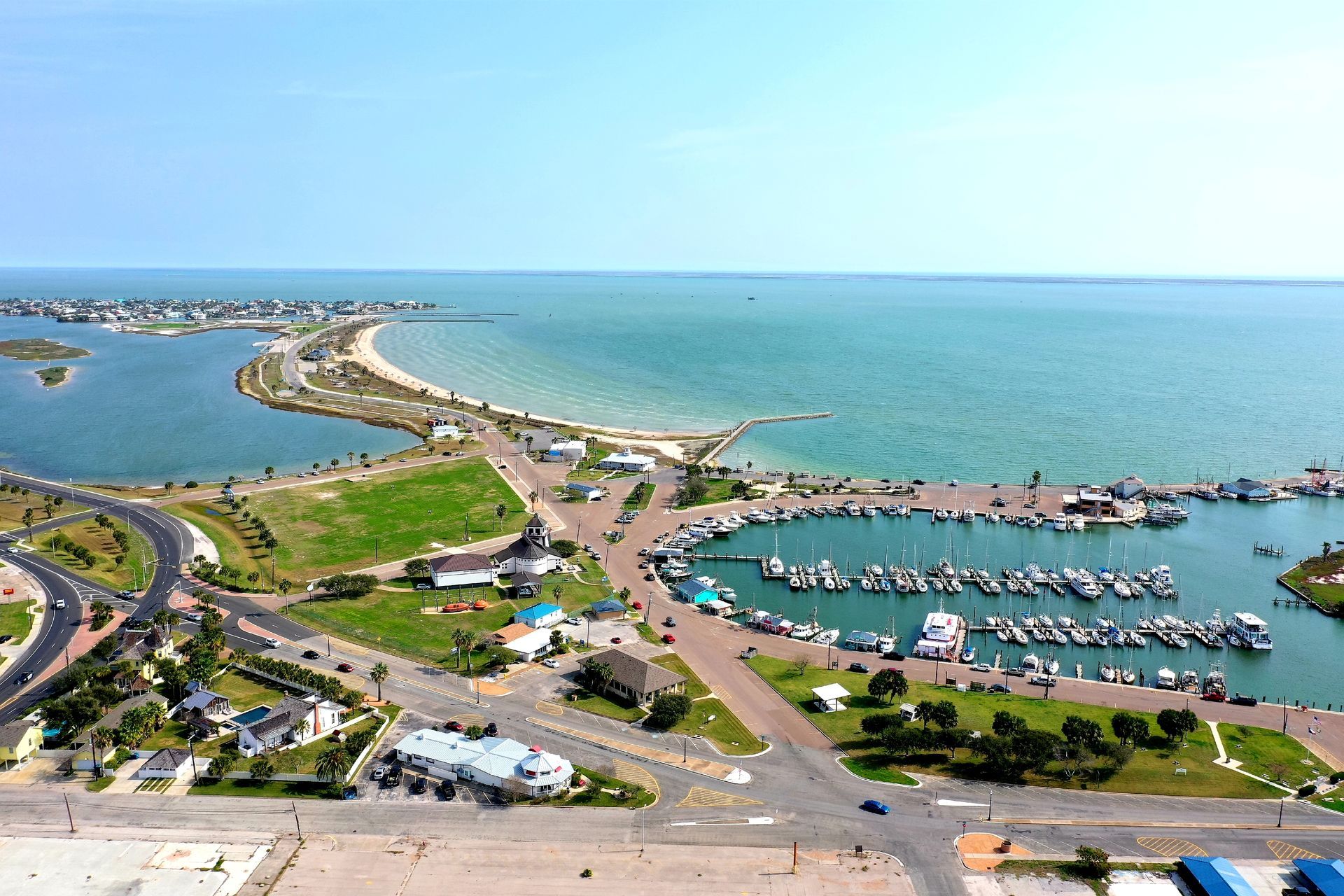
Building on Your Own Land in South Texas: How It Works 🌾🏡
One of the most common situations we encounter is a client who already owns land — inherited property, a rural parcel bought years ago, or a lot purchased in anticipation of eventually building. If that's you, you're in a strong position. Land ownership is one of the biggest advantages you can have going into a custom home build.
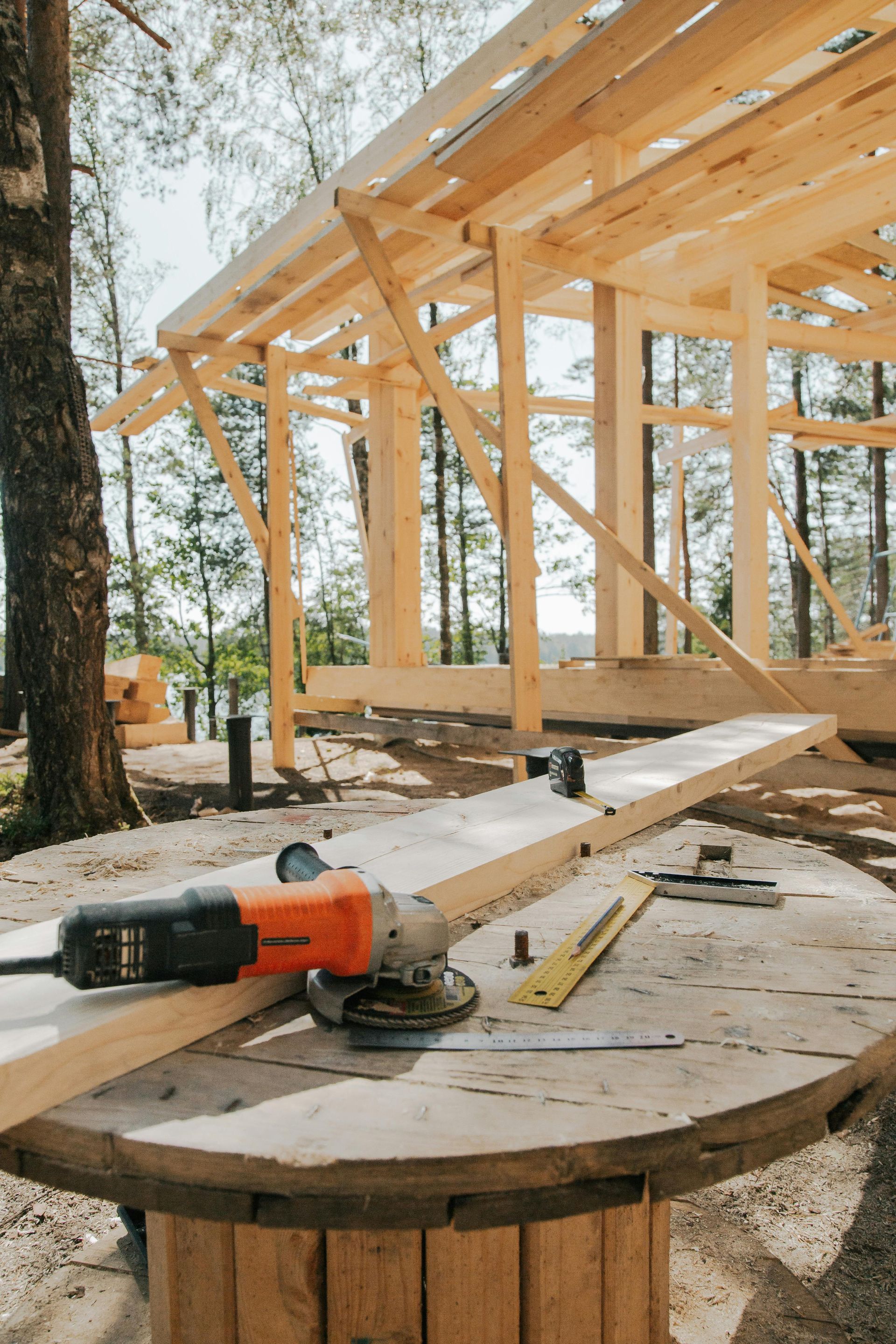
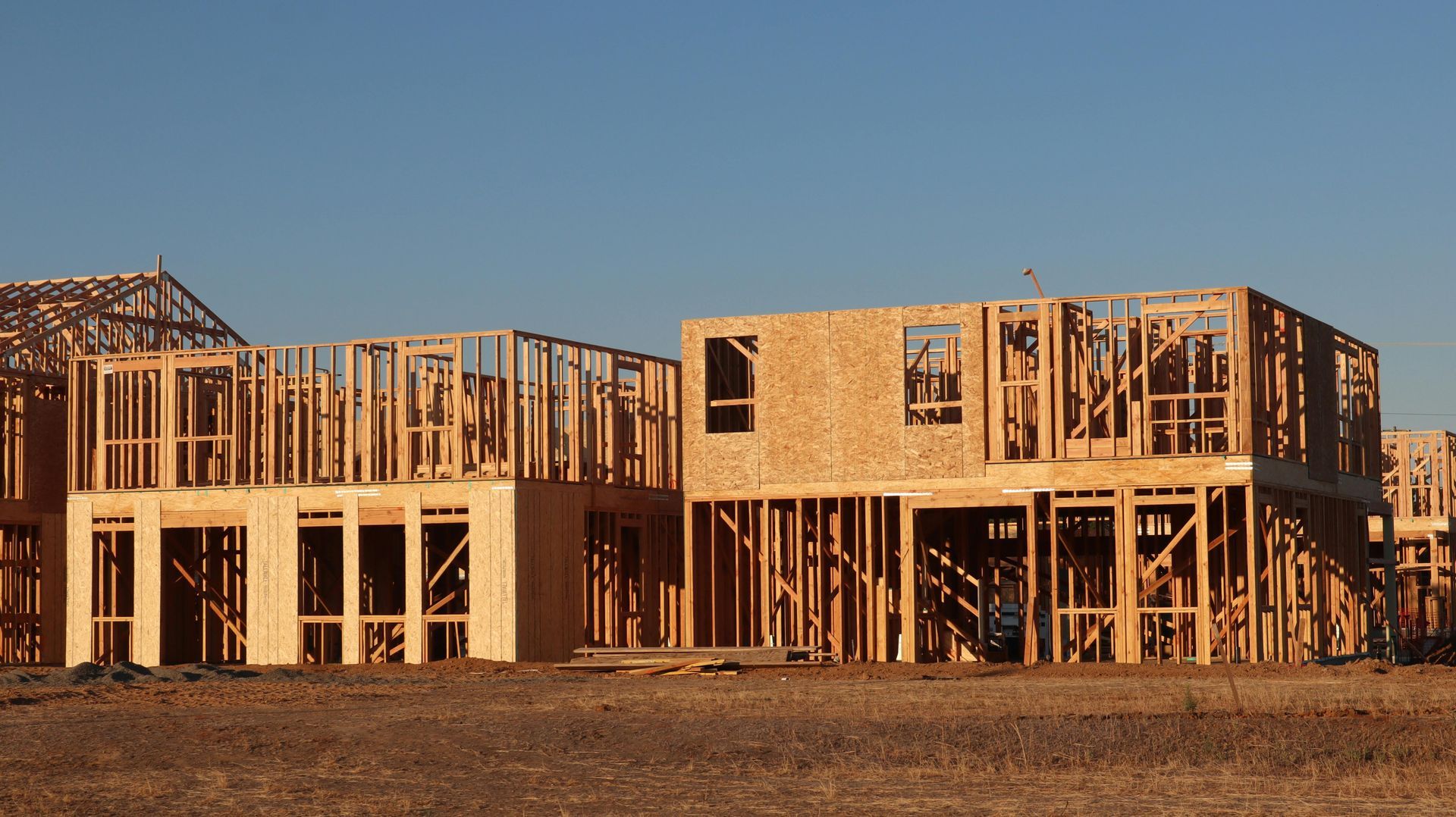
South Texas Home Builders specializes in on-your-land custom construction throughout the Coastal Bend and surrounding counties. Here's exactly how the process works.
📍 Step 1: Land Evaluation Comes First
Not all land is equally ready to build on. Before design begins, we evaluate:
✔️ Survey accuracy and boundary confirmation
✔️ Zoning and deed restrictions
✔️ Utility availability — water, sewer or septic, electricity
✔️ Drainage patterns and flood zone designation
✔️ Soil conditions relevant to foundation selection
✔️ Access and road frontage
💡 Builder Tip: A land evaluation takes 1 to 2 weeks and prevents costly surprises later. We've seen clients save tens of thousands of dollars by catching a drainage issue or septic requirement before design was finalized.
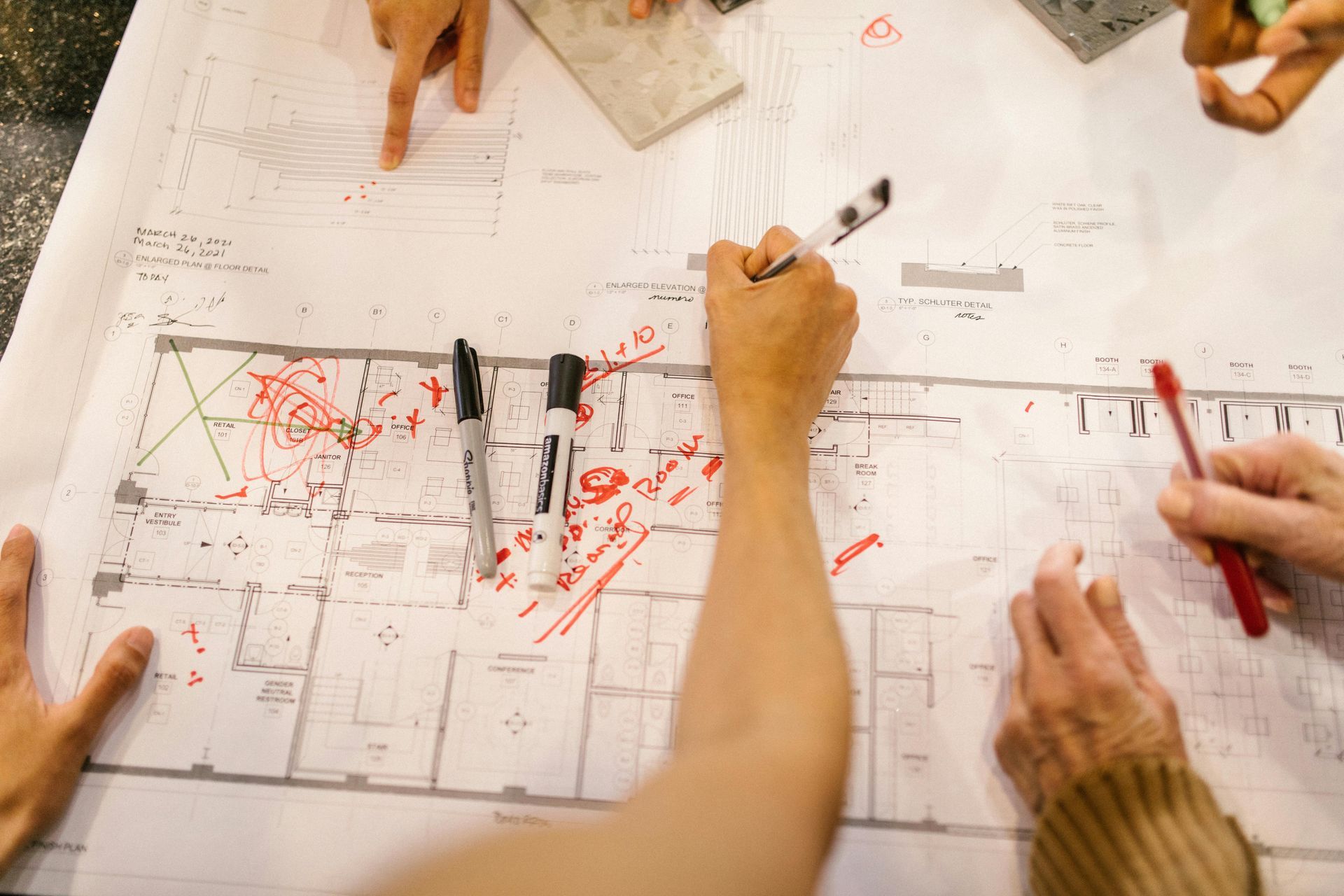
🏗️ Step 2: Design Around Your Land
The best custom homes are designed to fit the land — not the other way around. Once we know your lot's characteristics, design decisions follow naturally:
✔️ Orientation to take advantage of views, breezes, or shade
✔️ Foundation type — slab, pier and beam, or elevated based on soil and flood zone
✔️ Placement relative to setbacks, easements, and access
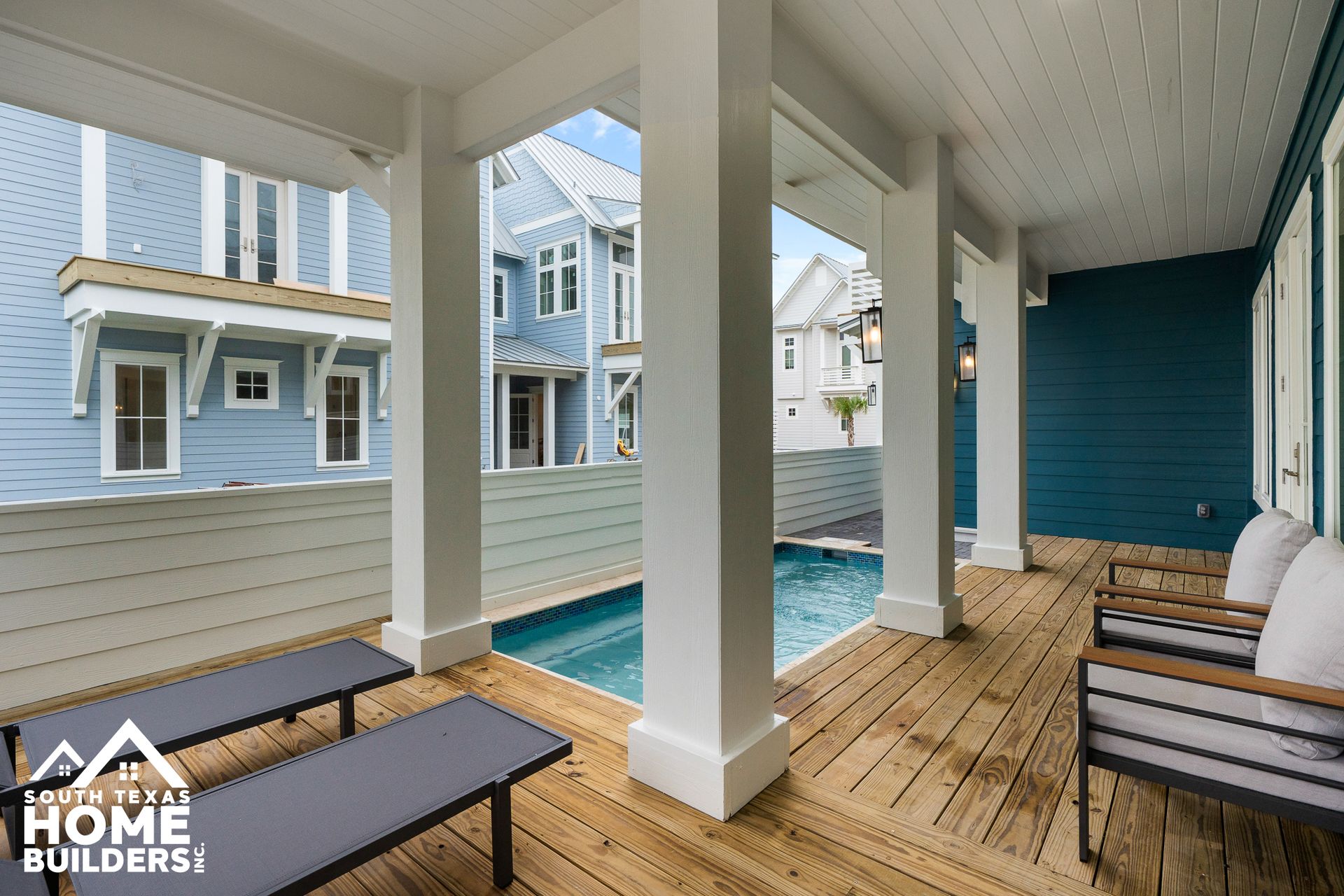
✔️ Outdoor living integration with the natural landscape
💡 Builder Tip: Rural lots in South Texas often have beautiful natural features — live oak canopies, seasonal ponds, pasture views. We design to preserve and frame these rather than bulldoze through them.
💧 Step 3: Utilities and Infrastructure
Rural land in South Texas often requires more infrastructure work than suburban lots. Common requirements include:
✔️ Well drilling if no municipal water is available
✔️ Septic system design and installation
✔️ Electrical service extension from the nearest utility pole
✔️ Road grading and culvert installation for access
💡 Builder Tip: Infrastructure costs vary widely by location. We include utility evaluation in every land consultation so clients have a realistic picture before any commitments are made.
📋 Step 4: Permitting for Rural South Texas
County permits govern most rural land in South Texas. Requirements vary by county but typically include:
✔️ Building permit from the county judge's office or commissioners court
✔️ Septic system permit from the local health authority
✔️ Electrical permit through the utility provider
✔️ Windstorm compliance for coastal and near-coastal counties
💡 Builder Tip: We've pulled permits in Nueces, Aransas, San Patricio, Jim Wells, Live Oak, Bee, Refugio, Victoria, Goliad, and Duval counties. We know the local processes.
🌾 Building in Orange Grove, George West, Mathis, or Rural South Texas?
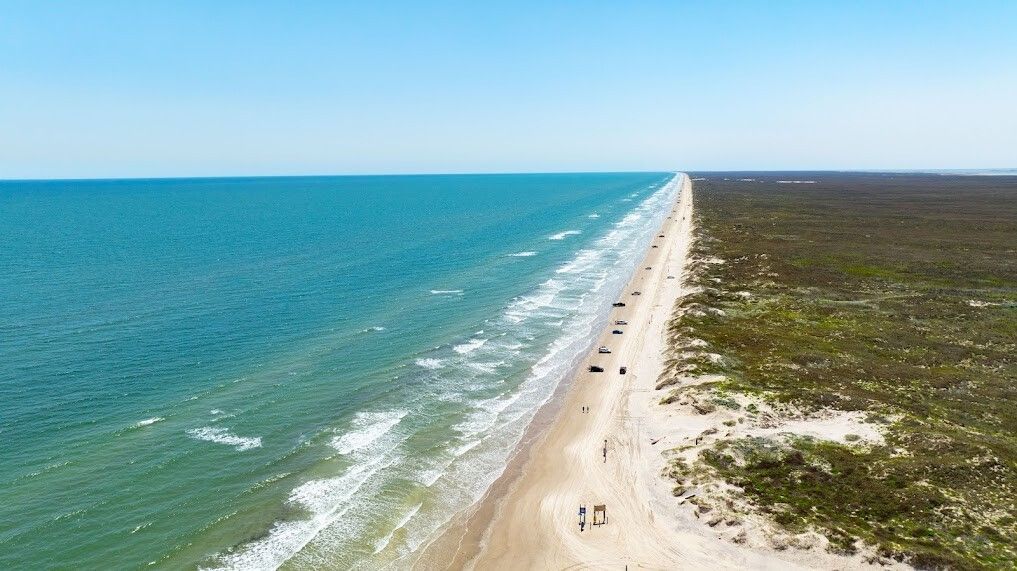
On-your-land building is the foundation of what we do. Whether your lot is bayfront, pasture, rural acreage, or a suburban infill, South Texas Home Builders builds homes that belong exactly where they're planted.
Ready to start your custom home journey in South Texas? 📞 Contact South Texas Home Builders today at (361) 906-9107 or visit southtexhomebuilders.com to get started.
NEWS