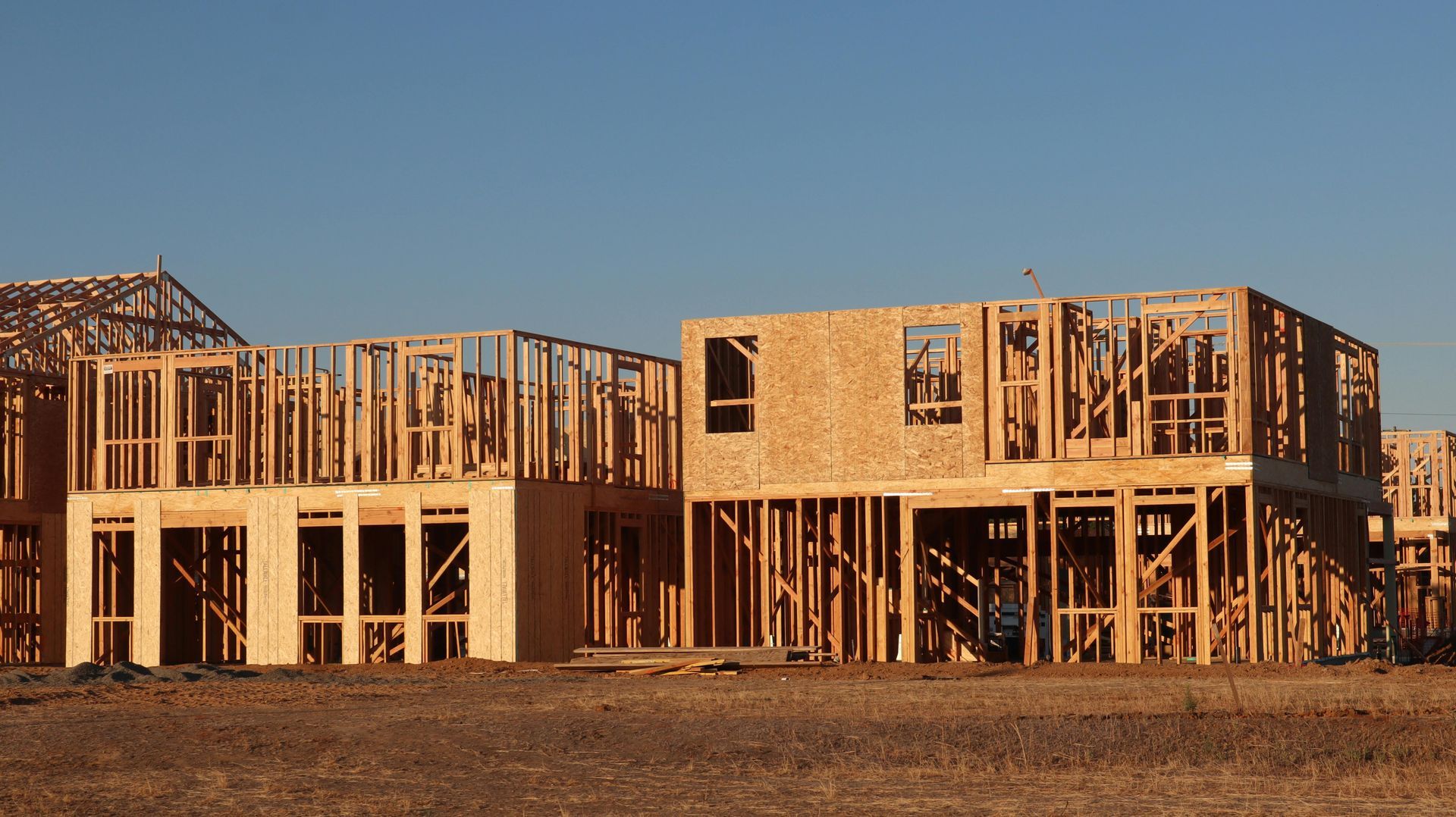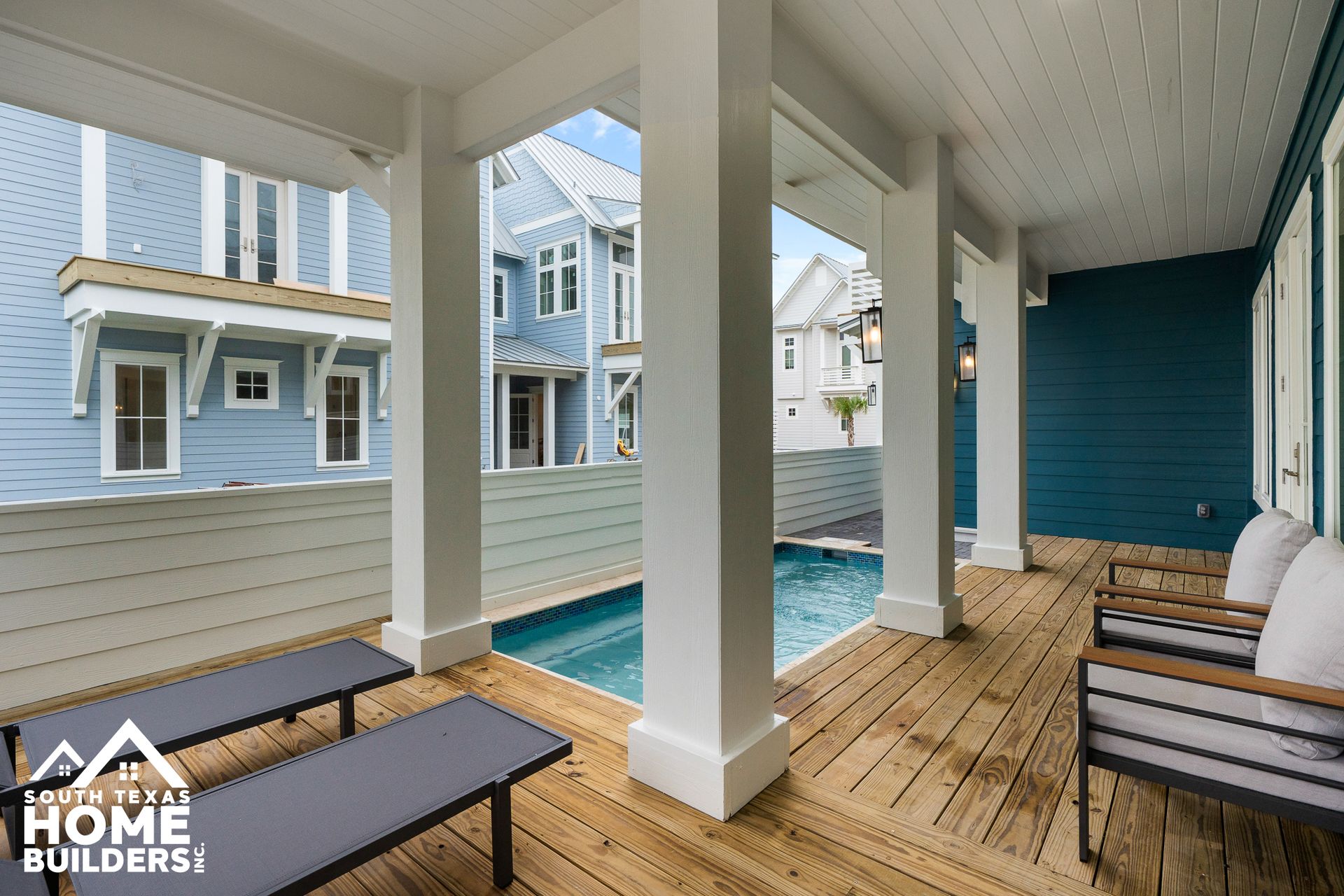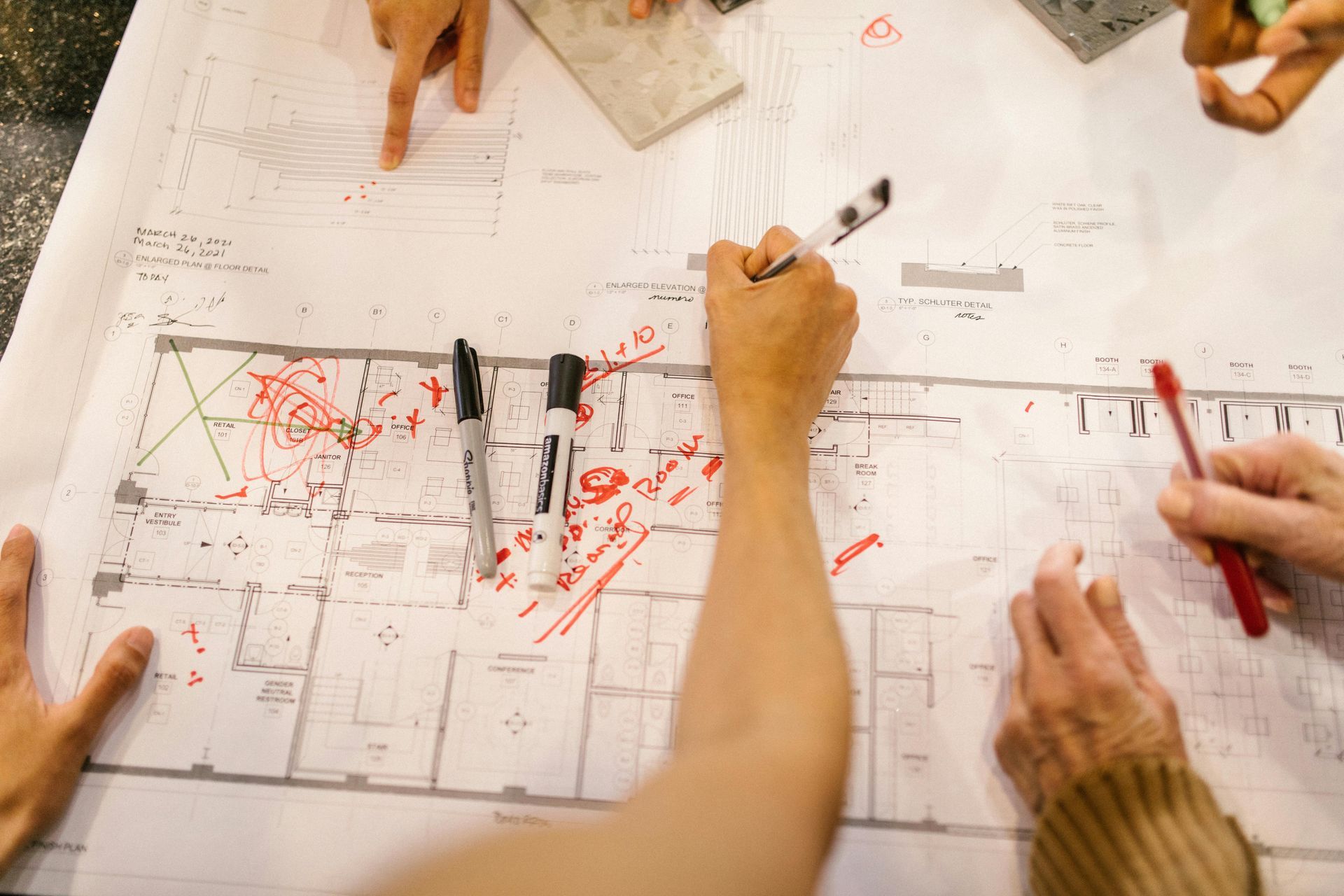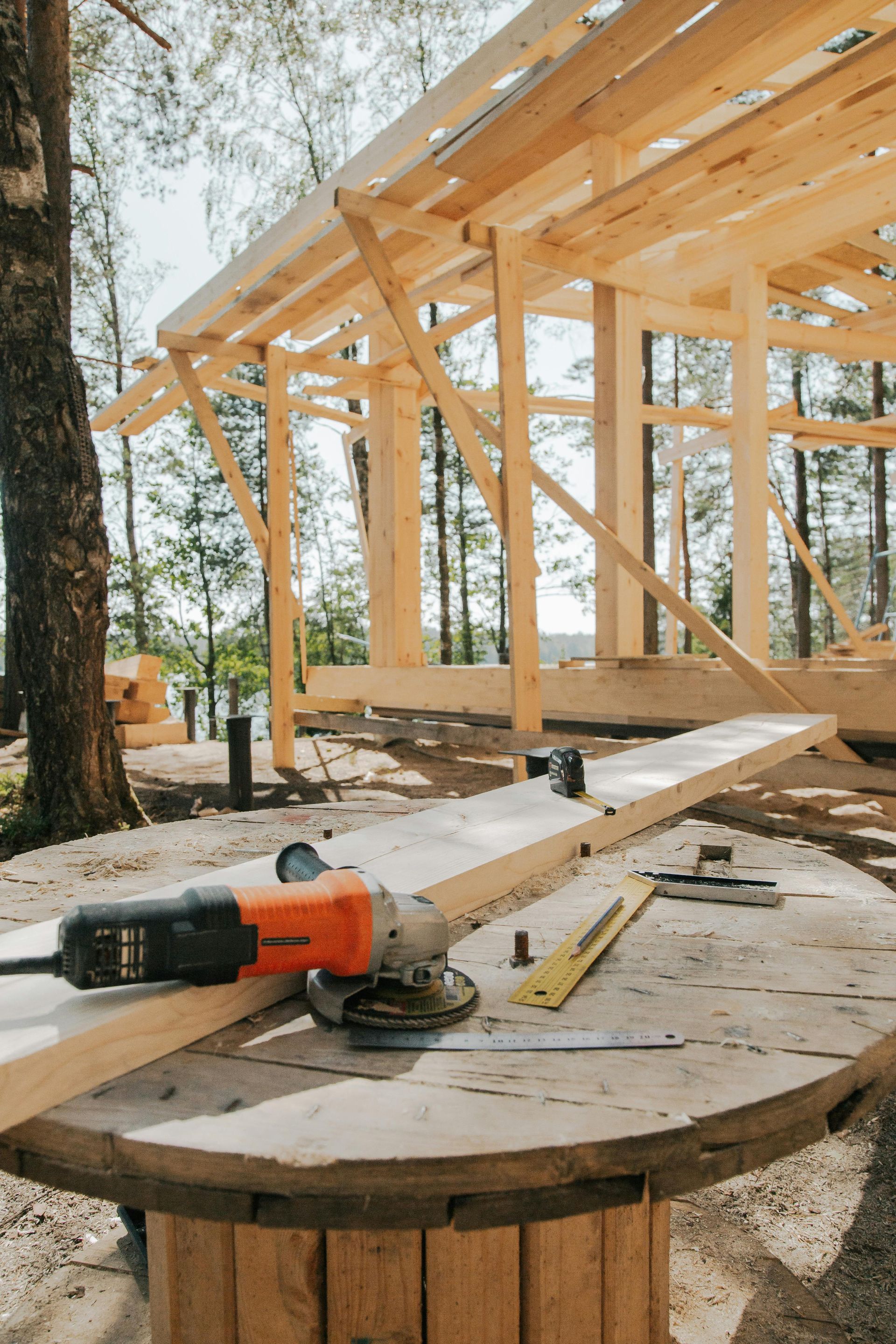
Planning a Custom Home Build During the Holidays 🎄📐

Blake Brown • December 22, 2025

While most people associate construction with spring and summer, the most strategic time to plan a custom home build is often November and December.

At South Texas Home Builders, many projects begin on paper during the holidays — and that preparation pays dividends when construction starts.

Why the Holiday Season Works

The end of the year provides:

  • Fewer scheduling pressures
  • More thoughtful decision-making
  • Time for design refinement
  • Better positioning for spring starts

Instead of rushing into construction, homeowners can make informed decisions without pressure.

Design and Engineering Take Time

Custom homes require coordination between:

  • Architecture
  • Structural engineering
  • Energy design
  • Site planning
  • Budget alignment

Starting these steps during the holidays allows plans and permits to progress while construction schedules reset for the new year.

Locking in Early Advantages

Planning early helps:

  • Secure material selections before lead times spike
  • Finalize budgets before seasonal price adjustments
  • Reserve build slots before spring demand increases

By the time many homeowners start planning, STHB clients are already prepared to break ground.

Reduced Stress, Better Outcomes

The biggest benefit is clarity.

Homes planned carefully tend to:

  • Stay on schedule
  • Stay on budget
  • Avoid change orders
  • Deliver better long-term results

Good homes are built in months. Great homes are planned long before that.

NEWS

By Blake Brown December 22, 2025
November is the ideal time to prepare coastal homes for winter and the coming year. Seasonal maintenance prevents small issues from becoming expensive repairs. South Texas Home Builders encourages homeowners to approach maintenance as part of ownership—not an inconvenience. Exterior Inspection and Cleaning Focus on areas exposed to salt and wind: Inspect roofing, flashing, and fasteners Clean gutters and downspouts Rinse siding, railings, and metal components Check exterior sealants for cracks or gaps Removing salt buildup slows corrosion and preserves finishes. Windows, Doors, and Openings These are common moisture entry points. Inspect weather-stripping Lubricate hinges and locks Clear window tracks and weep holes Re-seal perimeter gaps as needed Properly sealed openings improve comfort and efficiency. Mechanical Systems Before winter fronts arrive: Service HVAC systems Replace filters Inspect condensate drains Test safety systems and surge protection Preventative service extends system life. Grounds and Outdoor Areas Outdoor maintenance protects both safety and structure: Trim landscaping away from walls and roofs Secure outdoor furniture Inspect decks, patios, and railings Winterize water features if applicable Maintenance as a Long-Term Strategy Homes that receive consistent care age more gracefully and retain value longer. STHB designs homes with maintenance in mind, but ongoing care ensures they continue performing as intended year after year.
By Blake Brown December 22, 2025
This is a subtitle for your new post
By Blake Brown December 22, 2025
Pre-construction is the most important phase of a custom home build—and the most misunderstood. While nothing is physically built during this stage, nearly everything that determines success happens here. At South Texas Home Builders, pre-construction is where clarity replaces uncertainty. Design Refinement and Alignment Initial concepts evolve into detailed plans during pre-construction. This includes: Finalizing floor plans and elevations Reviewing structural engineering Confirming material selections Aligning design with budget realities This phase ensures the home that gets built matches expectations—not just visually, but functionally. Site Evaluation and Planning Every site presents unique conditions. Pre-construction involves: Evaluating drainage and elevation Confirming utility access Coordinating foundation design with soil conditions Planning access for construction equipment Addressing site factors early prevents costly adjustments during construction. Budget Confirmation and Scope Definition A clearly defined scope protects everyone involved. STHB works with clients to: Confirm allowances and specifications Identify long-lead materials Establish realistic timelines Reduce the likelihood of change orders Well-defined budgets lead to smoother builds. Permitting and Scheduling Permits and approvals vary by jurisdiction. During pre-construction, STHB: Prepares and submits documentation Coordinates with local authorities Aligns inspections with the construction schedule This groundwork keeps the project moving once construction begins. Why Pre-Construction Matters So Much Projects with thorough pre-construction: Experience fewer delays Stay closer to budget Encounter fewer surprises Deliver better overall results Pre-construction isn’t a pause—it’s preparation.
By Blake Brown December 22, 2025
Moisture is the single most persistent challenge in coastal construction. Unlike dramatic storm damage, moisture issues develop quietly—inside walls, beneath flooring, and within mechanical systems. Over time, unmanaged moisture leads to mold, material degradation, and reduced indoor air quality. At South Texas Home Builders, moisture management is treated as a core design principle, not a secondary concern. Why Coastal Homes Are More Vulnerable Coastal and near-coastal homes experience: High ambient humidity Wind-driven rain Salt air that attracts and retains moisture Frequent temperature swings Even during dry periods, humid air can infiltrate wall assemblies if the home is not properly sealed. Air Sealing Comes Before Cooling Many moisture problems are mistakenly blamed on HVAC systems, when the real issue is air leakage. Uncontrolled air movement allows humid outdoor air to enter cooler interior spaces, where condensation forms. This moisture becomes trapped in insulation, framing, and finishes. STHB prioritizes: Continuous air barriers Properly sealed penetrations Tight window and door assemblies A well-sealed home dramatically reduces moisture intrusion before mechanical systems even engage. Balanced Ventilation and Dehumidification In coastal homes, ventilation must be intentional. STHB designs systems that: Exchange stale indoor air without introducing excess humidity Maintain consistent indoor moisture levels Avoid over-sizing HVAC equipment, which can reduce effective dehumidification Dedicated dehumidification may be incorporated where conditions warrant, especially in larger homes or those with high occupancy. Materials That Tolerate Moisture Moisture-resistant materials are essential in coastal environments. This includes: Mold-resistant drywall in key areas Moisture-tolerant insulation Sealed cabinetry and millwork Flooring designed to handle humidity fluctuations Material selection works in tandem with design and mechanical systems to protect the home as a whole. Long-Term Benefits of Proper Moisture Management Homes with effective moisture control: Maintain healthier indoor air quality Preserve structural integrity Reduce maintenance and repair costs Feel more comfortable year-round STHB integrates moisture management into every phase of construction, ensuring homes perform quietly and consistently in coastal conditions.
By Blake Brown December 22, 2025
Budget decisions shape a home’s performance long after construction ends. Knowing where to invest—and where flexibility exists—leads to better outcomes. STHB approaches budgeting as a strategic exercise, not a cost-cutting one. Where Spending Matters Most Some elements are expensive to fix later and should be prioritized: Structural systems Building envelope and sealing Windows and exterior doors Roofing systems Mechanical systems These components affect comfort, durability, and operating costs. Areas with More Flexibility Other choices can evolve over time: Light fixtures Interior paint colors Cabinet hardware Landscaping details Choosing flexibility here protects the budget without sacrificing performance. The Cost of Shortcuts Cutting corners on systems often leads to: Higher energy bills Moisture issues Early repairs Reduced resale value Upfront savings rarely offset long-term costs. Budgeting for the Full Lifecycle A smart budget considers: Initial construction Maintenance Operating costs Future adaptability Homes built with lifecycle costs in mind are less expensive to own. How STHB Guides Budget Decisions STHB helps clients understand trade-offs, prioritize durability, and align spending with long-term goals—resulting in homes that perform well without unnecessary excess.
By Blake Brown December 22, 2025
Coastal Texas winters are mild, but comfort depends on design. Outdoor spaces that function year-round aren’t accidental—they’re intentionally planned. At South Texas Home Builders, outdoor living areas are treated as extensions of the home, not seasonal add-ons. Wind Protection Is Key Cool fronts bring wind more than cold. Effective winter outdoor spaces include: Walls, screens, or landscaping as wind breaks Rooflines that deflect prevailing winds Fire features placed out of wind corridors Reducing wind exposure often matters more than adding heat. Covered Spaces Extend Use Covered patios protect from wind, light rain, and dew. They also: Reduce UV exposure on furniture Protect doors and windows Create transitional living space Properly integrated covers perform better than detached structures. Heating and Lighting Strategy Winter evenings benefit from: Gas fire pits or fireplaces Wall-mounted or ceiling heaters Warm, layered lighting Lighting should be functional but subtle—glare reduces comfort. Materials for Year-Round Exposure Winter moisture still affects materials. Durable outdoor spaces use: Stainless or coated hardware Sealed surfaces Moisture-resistant finishes These materials reduce maintenance and extend lifespan. Why Outdoor Design Matters Long-Term Well-designed outdoor spaces increase daily enjoyment and home value. STHB designs outdoor living areas to perform across seasons, ensuring they remain usable long after move-in.
By Blake Brown December 22, 2025
Most regrets in custom homes don’t stem from poor craftsmanship—they come from missed planning opportunities. Once a home is built, certain changes become expensive or impractical. Understanding common regrets helps future homeowners avoid repeating them. Storage Is Almost Always Underestimated One of the most common regrets is insufficient storage. Often overlooked areas include: Pantry capacity Utility closets Garage organization Seasonal storage for coastal gear Storage planned into the structure is far more efficient than adding it later. Electrical Capacity and Technology Readiness Homes built even a decade ago often feel electrically outdated. Common regrets include: Too few outlets Limited outdoor power No dedicated circuits for future systems Inadequate data and Wi-Fi planning Planning for growth ensures the home remains functional as technology evolves. Outdoor Living Space That’s Too Small Many homeowners wish they had expanded patios or porches during construction. Outdoor living is easier to scale during the build than after. Under-sized spaces limit furniture layouts and reduce usability. Future Flexibility Wasn’t Considered Families change. Homes that don’t adapt well often lack: Guest space Accessible layouts Multi-use rooms Wide circulation paths Planning for possible future needs doesn’t mean overbuilding—it means designing thoughtfully. Why Regrets Are Preventable Most regrets come from focusing on finishes instead of function. STHB helps clients walk through daily life scenarios, future needs, and long-term ownership goals to avoid decisions they’ll later wish they had revisited.
By Blake Brown December 22, 2025
A home that ages well doesn’t chase trends—it anticipates time. In coastal Texas, where salt air, humidity, and changing family needs intersect, good design is about longevity, flexibility, and restraint. Homes that feel just as comfortable ten or twenty years later are intentionally designed from the start. At South Texas Home Builders, aging well is a design requirement, not an afterthought. Start with Simple, Flexible Layouts Complex floor plans often age poorly. Narrow hallways, oddly shaped rooms, and overly specialized spaces limit how a home can adapt. Homes that age gracefully typically include: Open but defined living areas Rooms that can shift function (office → guest room → hobby space) Clear circulation paths Minimal level changes Flexibility allows homeowners to adjust without major renovations as lifestyles evolve. Material Choices That Improve with Time Coastal homes benefit from materials that don’t demand perfection. Durable, forgiving materials include: Fiber cement or composite siding Metal or high-wind-rated roofing Quartz or sealed stone countertops Engineered or moisture-resistant flooring These materials handle wear, salt exposure, and humidity without constant upkeep. Protecting Outdoor Living Areas Outdoor spaces are a major part of coastal living, but they must be designed to last. Homes that age well include: Covered patios or porches Rooflines that protect walls and openings Materials rated for exterior exposure Thoughtful drainage and ventilation Protected outdoor areas stay usable longer and reduce wear on adjacent interiors. Energy Efficiency That Stays Relevant Energy systems should be designed for long-term efficiency, not just current code minimums. This includes: Well-sealed envelopes Right-sized HVAC systems Future-ready electrical capacity Smart orientation for sun and wind These choices reduce operating costs and extend system lifespan. Designing Beyond the First Owner A home that ages well remains desirable to future buyers. Timeless proportions, durable finishes, and functional layouts protect resale value. This long-view approach is central to how STHB designs homes—creating spaces meant to endure, not expire.
By Blake Brown December 22, 2025
This is a subtitle for your new post
By Blake Brown December 22, 2025
Wind damage rarely happens because of one dramatic failure. More often, it begins at a single weak connection that allows pressure to compromise the entire structure. In South Texas, understanding wind ratings and structural load paths is essential to building homes that last. What Is a Structural Load Path? A load path is the route forces take through a structure. In wind events, forces move: From the roof Into the walls Down to the foundation And into the ground Every connection along this path must be continuous and properly rated. How Wind Damages Homes Wind applies: Uplift on roofs Lateral pressure on walls Suction at corners and edges If connections fail—missing clips, under-driven fasteners, inadequate sheathing attachment—the system breaks. Components of a Strong Load Path A continuous load path includes: Hurricane clips or straps Engineered fastening schedules Properly attached sheathing Anchored foundations Each component reinforces the next. Skipping one compromises the entire system. Why Ratings Matter Wind ratings define how much force materials and assemblies can withstand. STHB designs homes to meet or exceed local wind requirements by: Using rated components Following engineered plans Inspecting critical connections during construction This ensures the structure performs as a unified system. The Difference You Don’t See Load paths are hidden once construction is complete, but their presence determines how a home performs during storms. Homes with proper load paths: Resist uplift and racking Maintain envelope integrity Reduce repair costs after storms Provide peace of mind year-round STHB treats structural continuity as non-negotiable, because durability starts with engineering.
More Posts