How Salt Air Affects Homes Over Time 🧂🏠
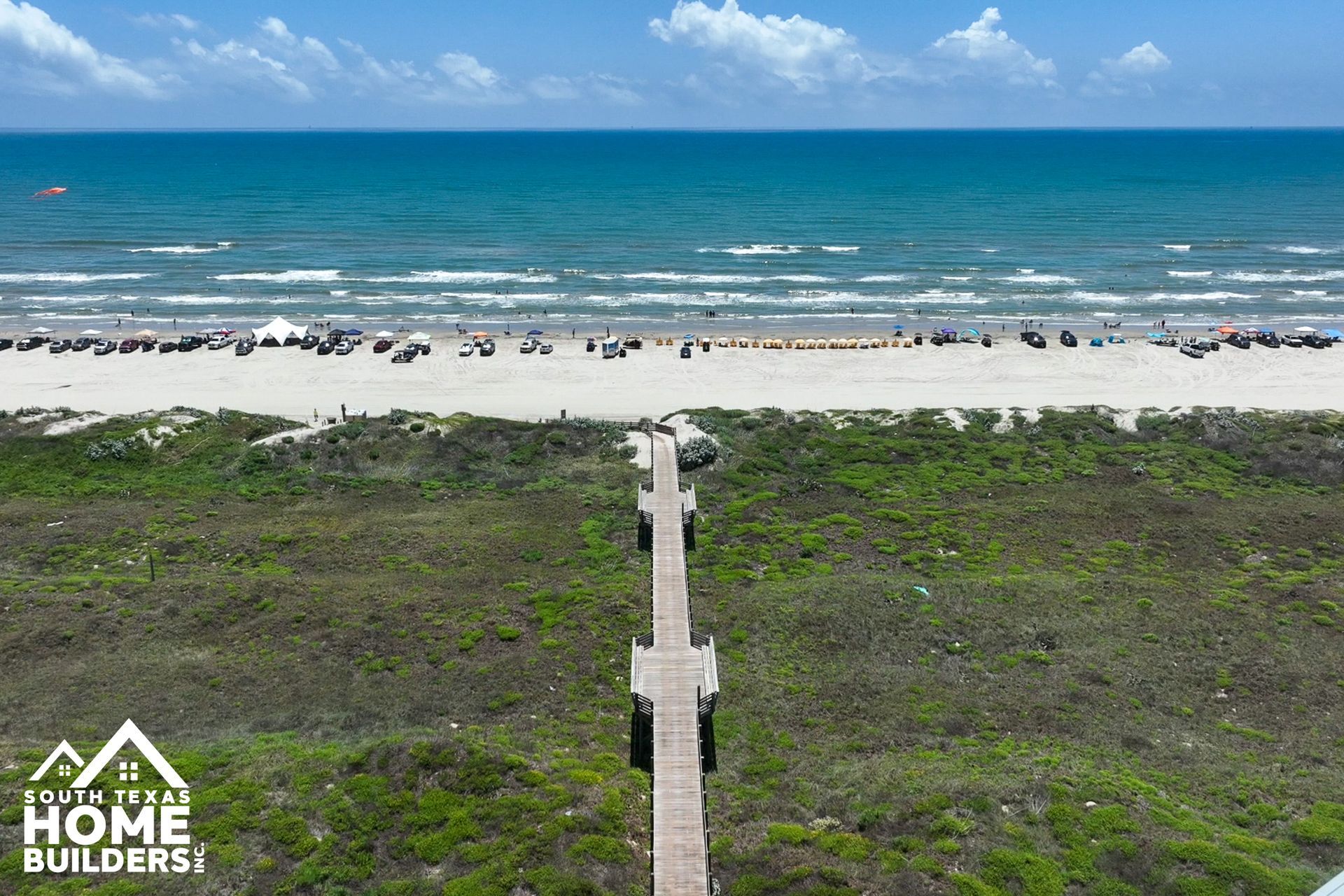
Salt air is one of the most underestimated forces in coastal construction. It doesn’t cause dramatic failures overnight — it causes slow, cumulative damage that shortens a home’s lifespan.
Understanding how salt affects materials explains why coastal-grade construction is essential.
How Salt Accelerates Deterioration
Salt attracts moisture and breaks down protective coatings. Over time, this leads to:
- Corrosion of fasteners and connectors
- Staining and blistering of finishes
- Failure of sealants
- Compromised structural integrity
Even components that appear protected can corrode from the inside out.
Why Some Homes Age Faster
Two homes in the same area can age very differently.
The difference usually comes down to:
- Material ratings
- Sealing quality
- Ventilation strategy
- Maintenance accessibility
Homes built without salt-resistant materials show wear early — regardless of upkeep.
Designing to Resist Salt
Salt-resistant homes use:
- Corrosion-resistant metals
- Ventilated assemblies
- Proper drainage planes
- Details that shed water quickly
STHB selects materials and assemblies specifically for long-term exposure, not short-term appearance.
Long-Term Value Comes From Prevention
Salt damage doesn’t reverse. Preventing exposure is far more effective than repairing it later.
Homes built to resist salt:
- Cost less to maintain
- Retain value longer
- Protect indoor air quality
- Perform better in all seasons
This is why STHB treats salt exposure as a design condition — not an afterthought.
NEWS