Choosing the Right Lot for a Coastal or Rural Build 📍🌾
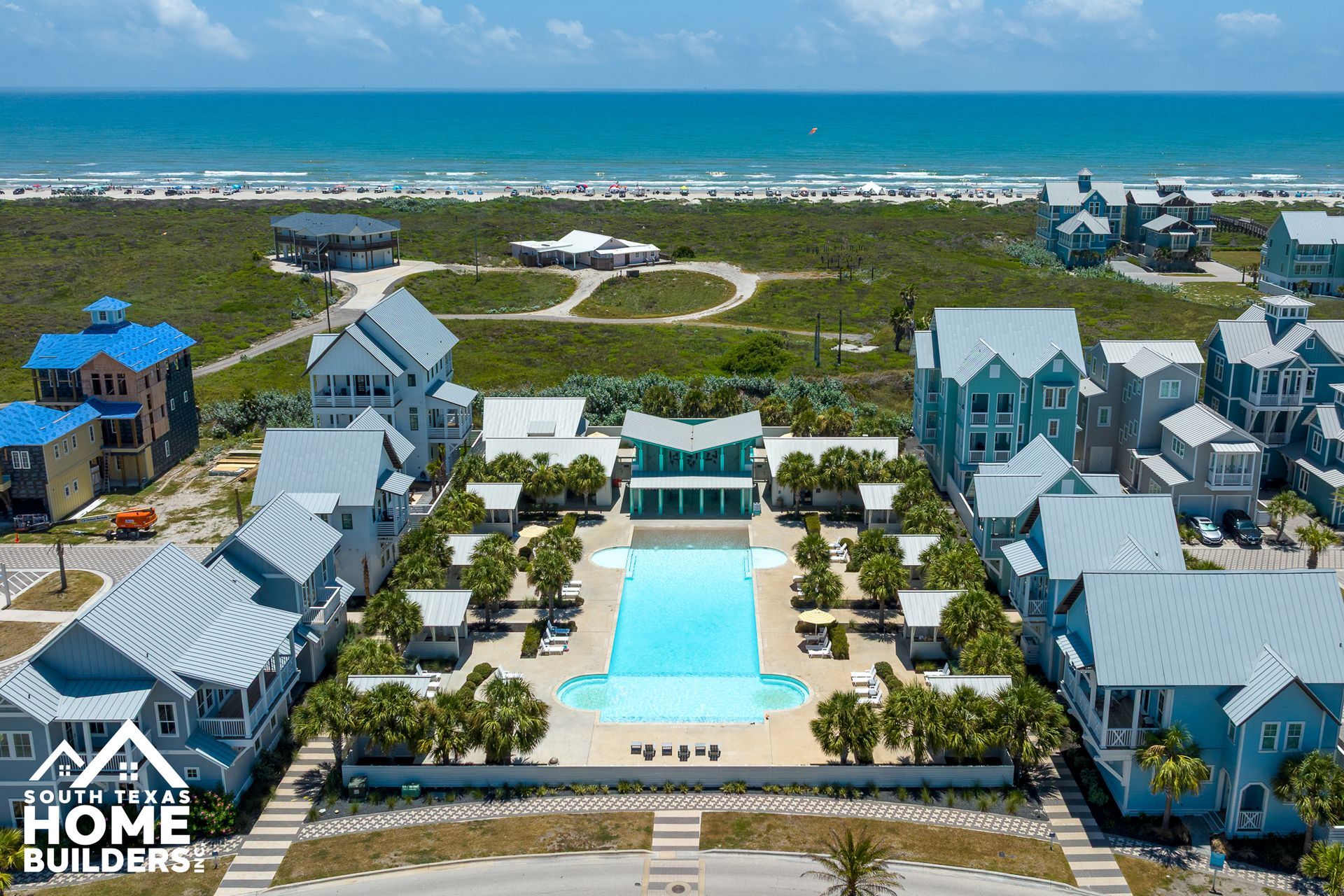
A successful custom home starts long before design plans are drawn. The lot you choose determines how your home will drain, how it will handle wind, how comfortable it feels inside, and how it holds value over time. In coastal and rural South Texas, lot selection is not just about acreage or views—it’s about performance.
At South Texas Home Builders, lot evaluation is treated as a foundational step, because even the best-built home will struggle on the wrong site.
Elevation and Drainage Come First
Elevation is one of the most critical factors in coastal and rural builds. Low-lying lots may look appealing, but they often require additional engineering, fill, or foundation strategies to manage water properly.
Key questions to ask:
- Where does water naturally flow during heavy rain?
- Are there visible low spots or pooling?
- Is the lot above surrounding roads or adjacent properties?
Proper drainage reduces long-term moisture issues, protects foundations, and simplifies maintenance. Even a modest change in elevation can significantly improve performance.
Soil Conditions Matter More Than You Think
South Texas soil varies widely—sandy coastal soils, clay-heavy inland soils, and mixed conditions in between. Each affects foundation design differently.
Soil impacts:
- Foundation type and depth
- Settlement risk
- Drainage behavior
- Long-term stability
A professional soil evaluation helps determine whether a slab, raised foundation, or pier system is most appropriate. STHB reviews soil conditions early so the home is designed to work with the land, not fight it.
Wind Exposure and Orientation
Wind is a constant in South Texas, especially in open rural areas and near the coast. Lot orientation influences both comfort and structural demands.
Consider:
- Prevailing wind direction
- Natural wind breaks (trees, terrain)
- Exposure on corners or elevated areas
Smart orientation can reduce wind pressure on the home, improve outdoor living comfort, and enhance energy efficiency.
Sun Path and Energy Performance
Lot orientation also affects how the home handles heat and light.
A well-oriented home:
- Minimizes harsh west-facing exposure
- Captures natural daylight without overheating
- Improves indoor comfort year-round
Designing with the sun in mind reduces HVAC strain and improves livability—especially in coastal climates.
Access, Utilities, and Future Development
Beyond physical conditions, practical considerations matter:
- Road access during storms
- Availability of water, sewer, or septic
- Power and internet access
- Future development nearby
A quiet lot today may change over time. STHB helps clients consider not just the lot as it is—but as it may become.
Why Lot Evaluation Is Part of the Build Process
Choosing the right lot simplifies design, reduces construction risk, and improves long-term performance. That’s why STHB evaluates sites before finalizing plans, ensuring the home is tailored to the land from day one.
The right lot doesn’t just support a house—it supports decades of living.
NEWS