FORTIFIED Home Certification: What It Means for South Texas Homeowners 🛡️🌀
If you're building a custom home along the Texas coast, you've probably heard the term FORTIFIED. It gets used a lot — but what does it actually mean, and is it worth the investment? This post breaks it down clearly so you can make an informed decision.
South Texas Home Builders is an experienced FORTIFIED-certified builder. We've seen firsthand what this designation does for our clients' homes and insurance costs.
🛡️ Step 1: What FORTIFIED Actually Is
FORTIFIED is a construction standard developed by the Insurance Institute for Business & Home Safety (IBHS). It's not a building code — it's a voluntary, third-party certified upgrade that goes beyond minimum code requirements.
There are three levels:
✔️ FORTIFIED Roof — the entry level, focused on the roof system
✔️ FORTIFIED Silver — adds wall and opening protection
✔️ FORTIFIED Gold — the highest level, whole-structure resilience
💡 Builder Tip: Most South Texas homeowners pursue FORTIFIED Roof or Gold. The roof is the most vulnerable part of a coastal home in a storm — protecting it first delivers the highest return.
💨 Step 2: What Makes a FORTIFIED Home Different
FORTIFIED construction requires specific upgrades over standard building:
✔️ Sealed roof deck — minimizes water intrusion when shingles are lost
✔️ Enhanced roof-to-wall connections — hurricane straps and clips
✔️ Impact-rated windows and doors (Gold level)
✔️ Continuous load path from roof to foundation
✔️ Third-party inspection at each phase — not self-certified
💡 Builder Tip: The continuous load path is the key structural concept: every part of the home is connected in a way that transfers wind forces down to the foundation, rather than allowing pieces to separate.
💵 Step 3: How FORTIFIED Affects Your Insurance
This is where FORTIFIED pays for itself. In Texas windstorm insurance areas, FORTIFIED certification can:
✔️ Qualify you for significant discounts on windstorm insurance premiums
✔️ Make your home eligible for insurance in markets where uncertified homes face difficulty
✔️ Reduce your out-of-pocket risk in the event of a storm
✔️ Increase lender confidence in coastal properties
💡 Builder Tip: Insurance savings vary by insurer and location, but we've seen clients recover the FORTIFIED upgrade cost within 3 to 7 years through premium reductions. For a home you plan to own long-term, the math is straightforward.
🏗️ Step 4: How We Build FORTIFIED Homes
FORTIFIED certification requires a certified builder and third-party inspections at specific milestones. At South Texas Home Builders:
✔️ We are trained and experienced with FORTIFIED standards
✔️ We coordinate with IBHS-approved inspectors throughout the build
✔️ We document each phase for certification submission
✔️ We guide clients through the certification process from start to finish
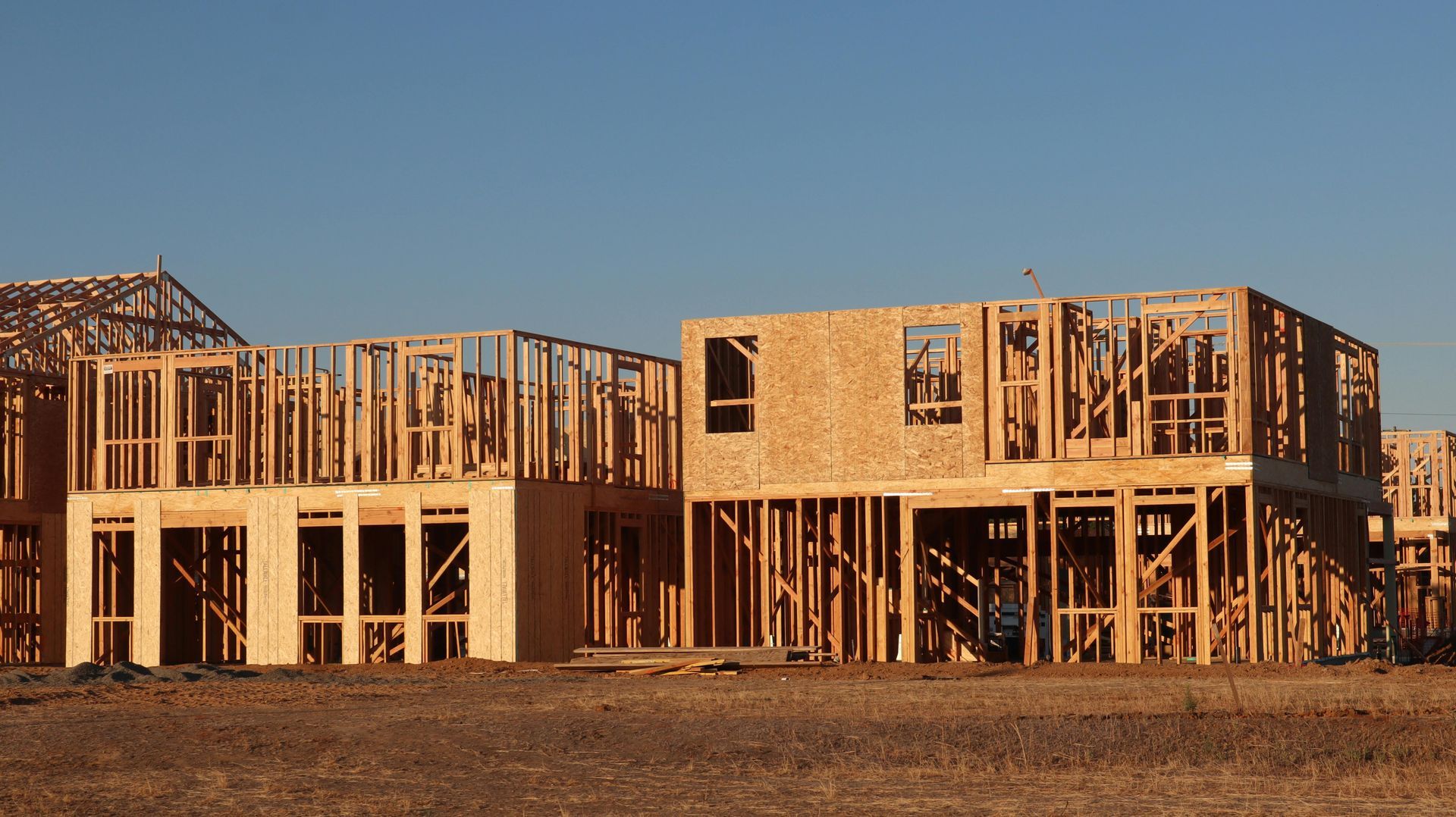
💡 Builder Tip: FORTIFIED can't be added after the fact — or at least not easily. It has to be built in from the beginning. If you want a FORTIFIED home, the time to decide is before construction starts.
🌊 Building in Port Aransas, Rockport, or Corpus Christi Bay?
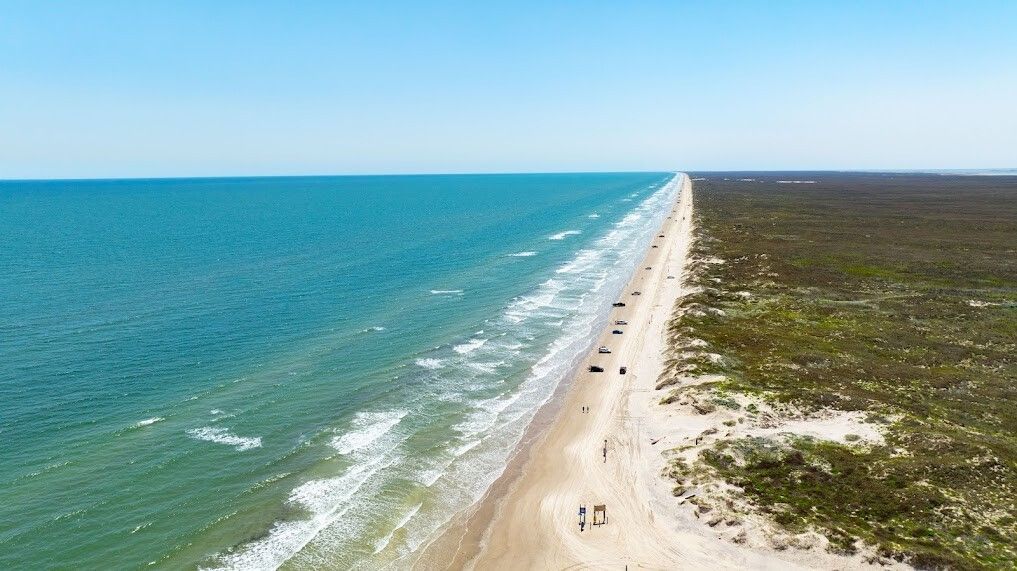
Coastal builds in Nueces and Aransas County benefit most from FORTIFIED certification. Between TDI windstorm requirements and the realities of storm exposure on the Gulf Coast, building to FORTIFIED standards is one of the smartest decisions you can make for a coastal home.
Ready to build your custom home in the Texas coast? 📞 Contact South Texas Home Builders today at (361) 906-9107 or visit southtexhomebuilders.com to get started.
NEWS