Elevation and Flood Protection in Coastal Custom Homes
Building on the Gulf Coast means designing with water in mind. Wind can be forecasted; water is patient and persistent. Elevation, drainage, and material choices determine whether a home withstands the next storm or succumbs to it.
At South Texas Home Builders, flood resilience is not an upgrade—it’s a baseline.
1. Start with Site Intelligence
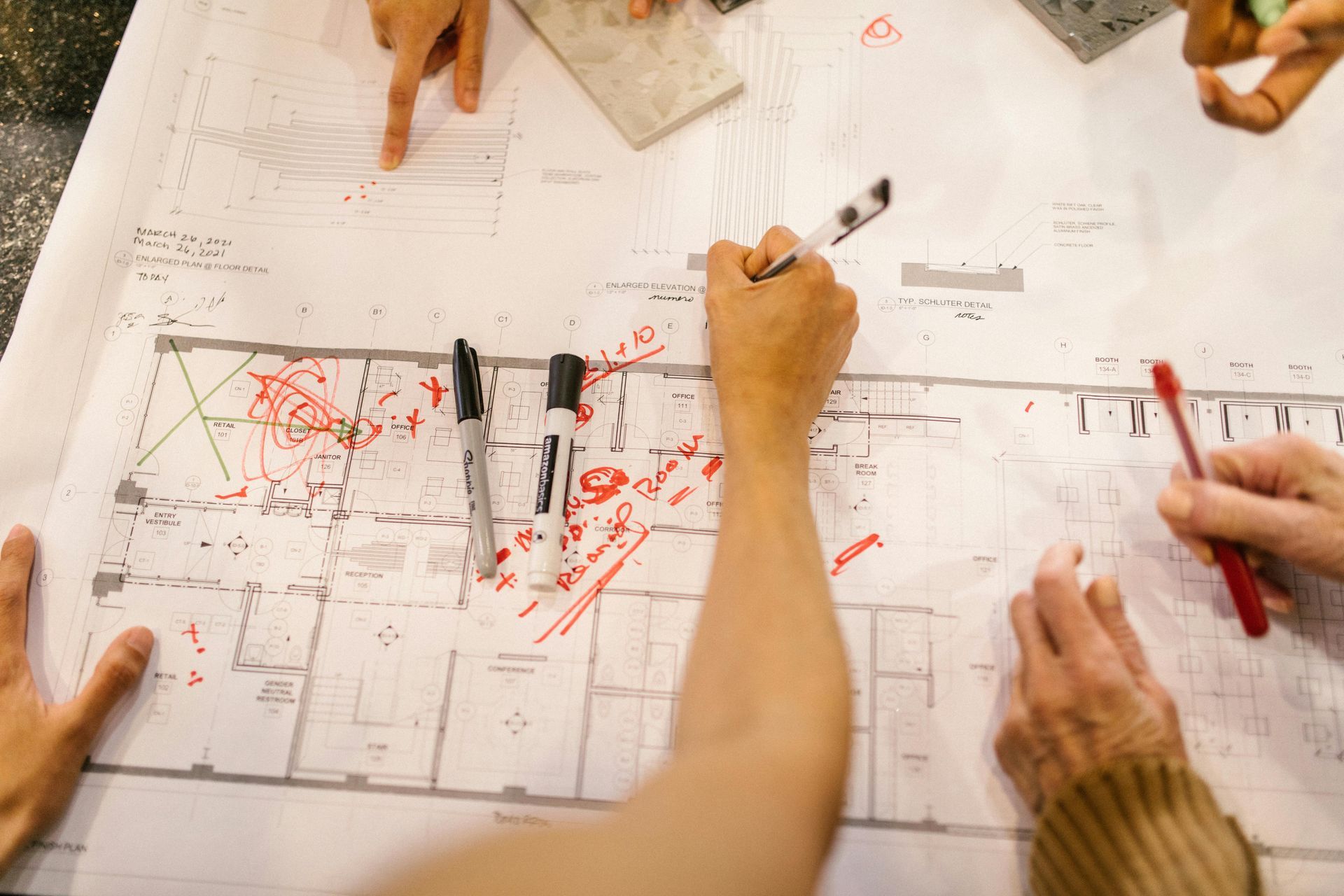
Every lot has a story: how water moves, where it lingers, and what the surrounding terrain does in a downpour.
- Survey elevation early. Identify base flood elevation (BFE) and local freeboard requirements.
- Study the watershed. Neighboring ditches and culverts often dictate where your water will go.
- Design grading to flow away. Even a two-percent slope prevents ponding near foundations.
Planning drainage before construction avoids the costlier exercise of managing it afterward.
2. Build Above, Not Just Around
Elevation protects both structure and systems.
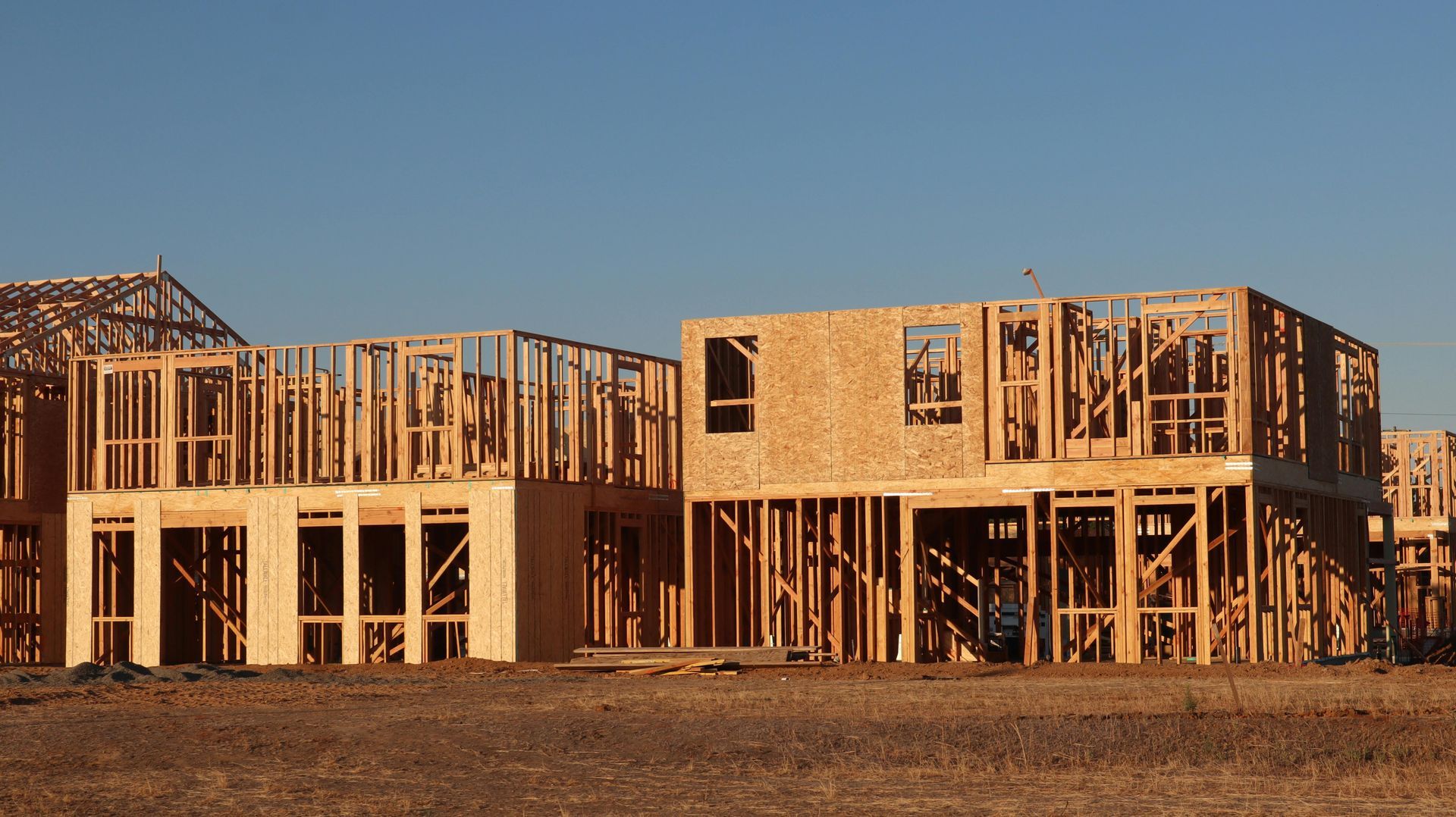
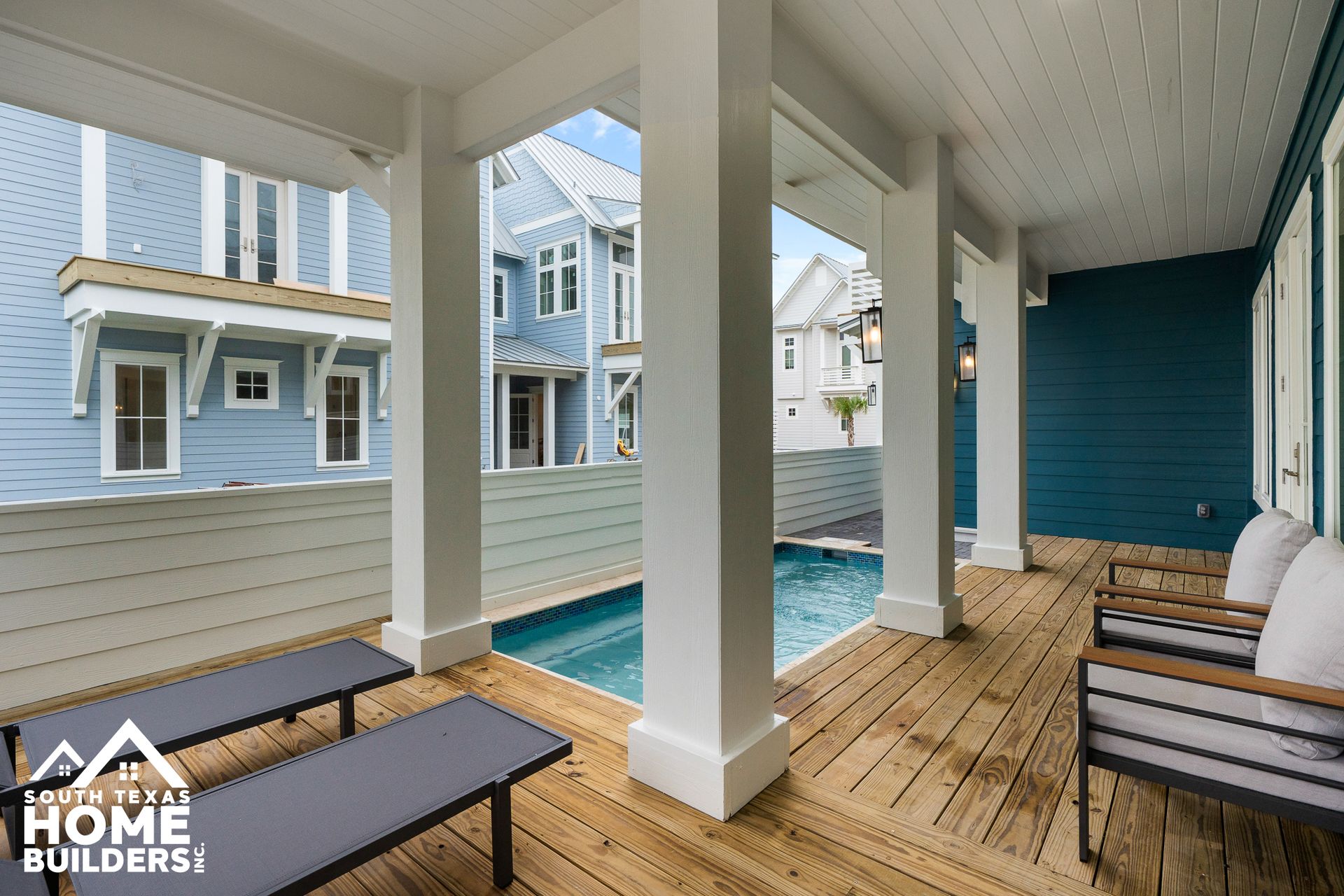
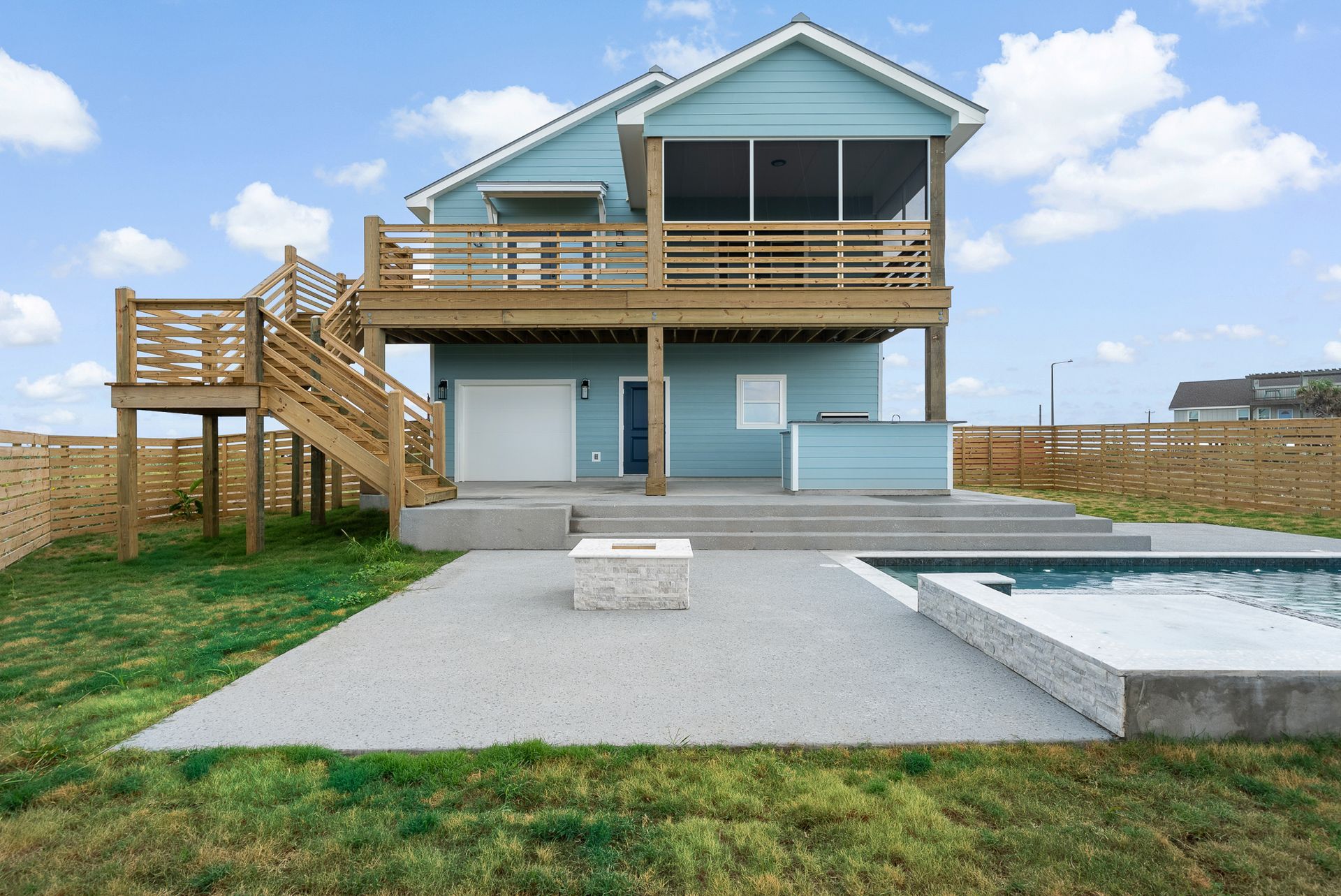
- Raised foundations or piers keep living areas above projected surge levels.
- Flood vents or breakaway walls relieve hydrostatic pressure beneath elevated floors.
- Mechanical systems—HVAC units, electrical panels, and water heaters—belong well above grade.
Materials below the design flood elevation should be non-absorbent and easy to disinfect: concrete, tile, or pressure-treated framing.
3. The Envelope and Openings
Water rarely enters where people expect.
- Flashing and sealant details at doors, windows, and roof intersections are critical.
- Impact-rated windows with multi-point locking hardware withstand wind-driven rain as well as debris.
- Properly vented roofs and attics release humidity and prevent condensation damage.
The beauty of the design should hide its toughness. Each line of defense works quietly until it’s needed.
4. Maintenance as Prevention
Elevation is only effective when maintained.
- Re-grade low spots annually where runoff has settled soil.
- Flush and inspect foundation vents for blockages.
- After any major storm, document conditions with photos for insurance and future reference.
A home built for water respects its power but doesn’t fear it. Done right, flood-resistant design adds both safety and longevity to the investment.
NEWS