How to Design Your Custom Home Build in 2 Weeks or Less
Blake Brown • January 21, 2025
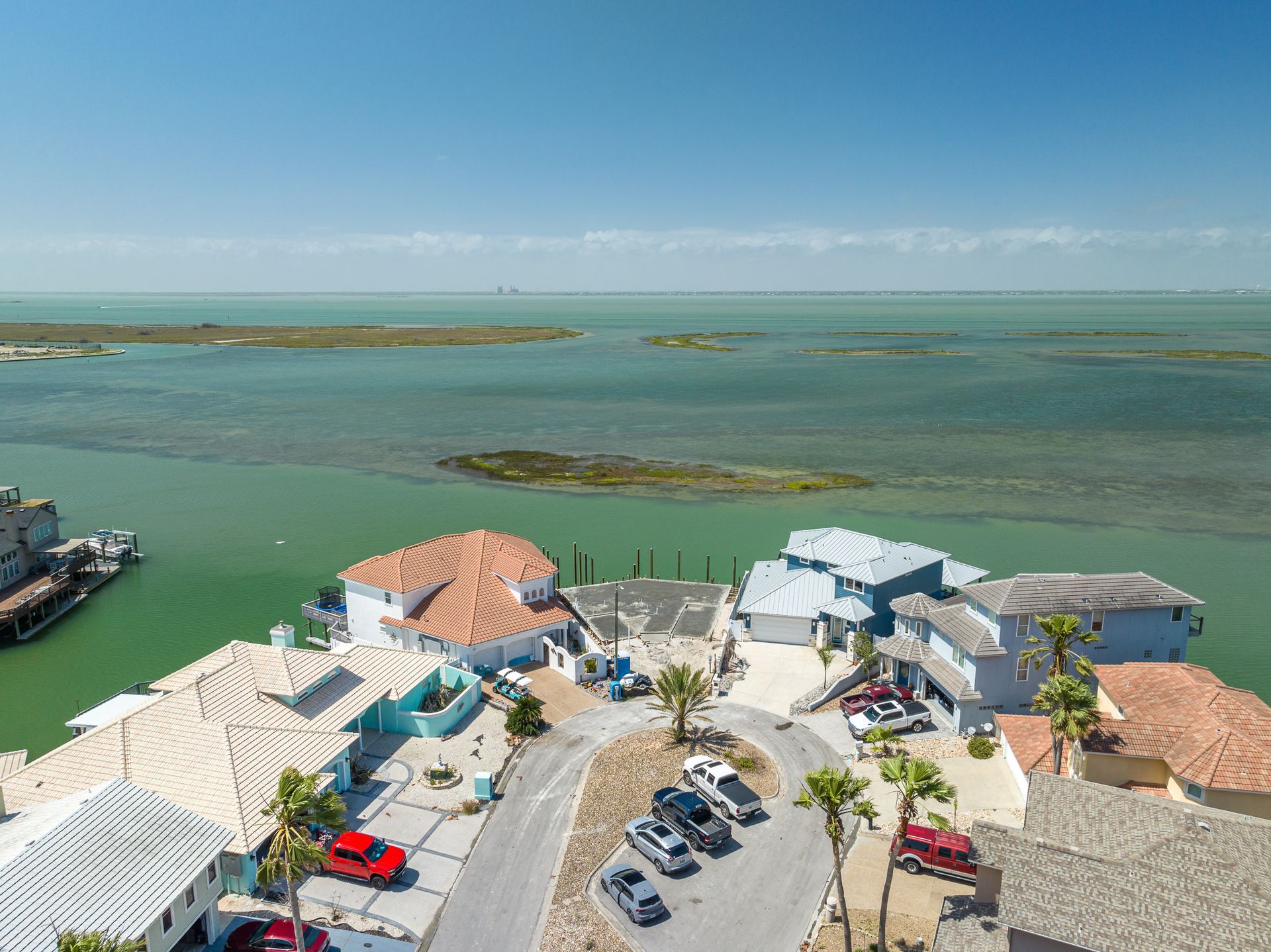
A large white house is sitting in the middle of a dirt field.


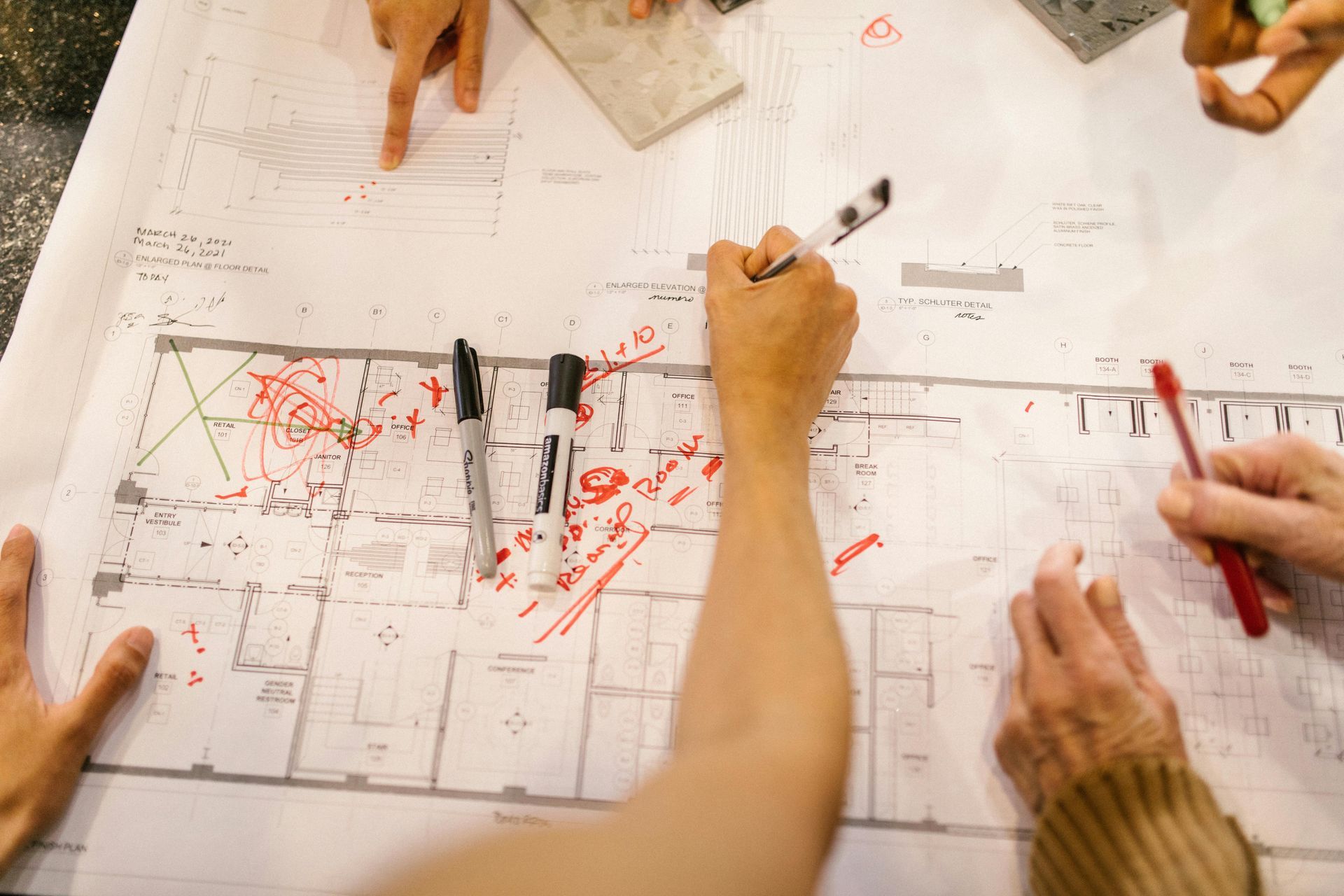
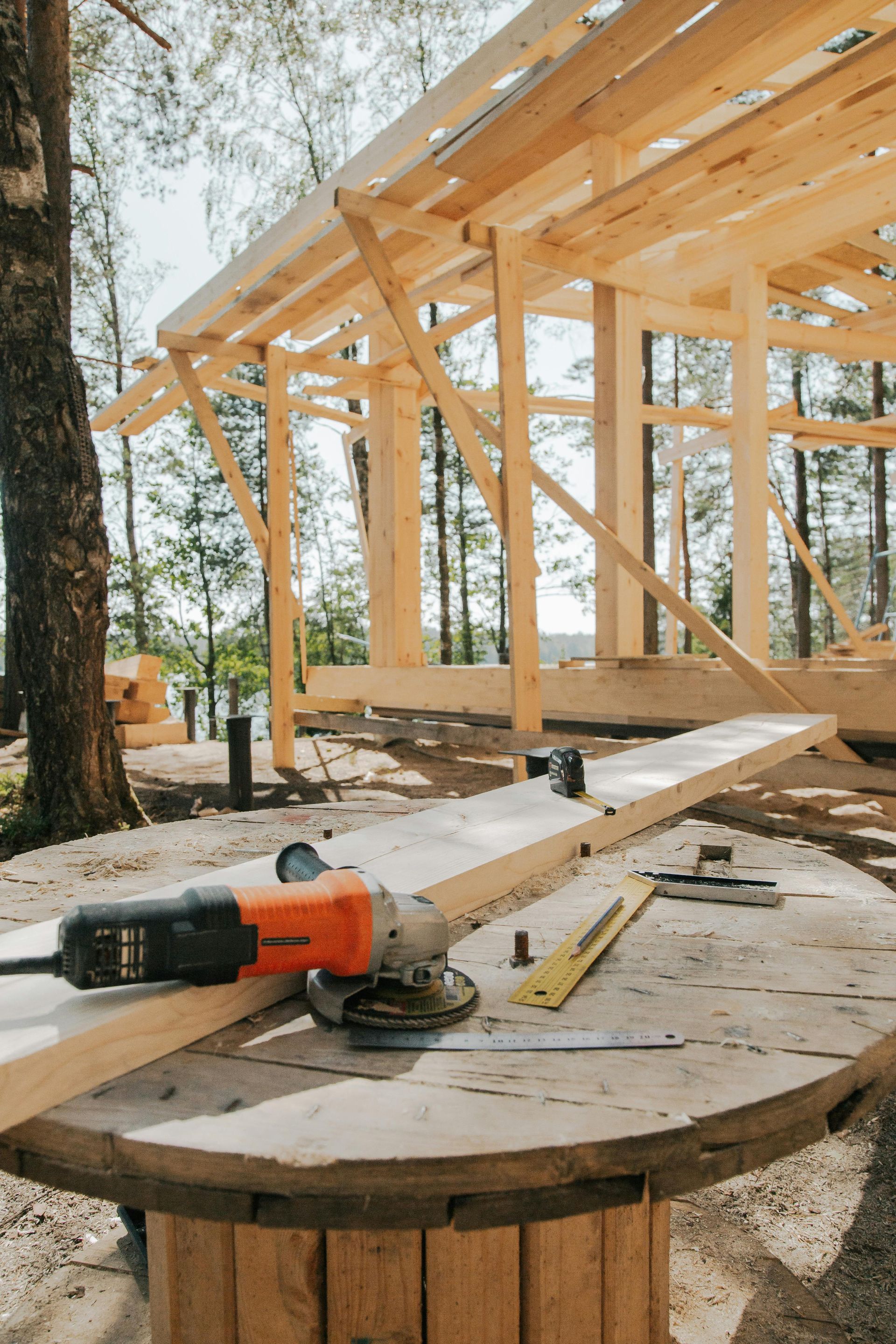
Designing a custom home is an exciting and creative process, but it can also be time-consuming. However, with the right strategy, preparation, and team, you can finalize your custom home design in as little as two weeks. Here’s how you can streamline the process while still ensuring that your home is tailored to your needs and preferences.


The Most Time-Consuming Parts of Custom Home Design


Clarifying Your Vision

Many homeowners struggle to articulate exactly what they want in their custom home. This can lead to delays as they sift through endless options and styles.


Choosing Materials and Finishes

Selecting flooring, countertops, cabinetry, and other finishes can take weeks if you don’t have a clear plan or access to curated options.


Revisions and Approval Process

After the initial design is drafted, the back-and-forth revisions between you and your builder or architect can be time-consuming if expectations aren’t clear from the outset.


Permits and Compliance

Ensuring that the design meets local building codes and obtaining the necessary permits can sometimes slow the process if not addressed early.


How to Ensure Your Custom Home Design Moves Along Quickly


Do Your Homework in Advance

Before meeting with your builder or architect, spend time gathering inspiration. Use tools like Pinterest or home design magazines to identify your preferred style, layout, and features. Create a mood board or a clear list of must-haves and nice-to-haves.


Choose a Trusted Builder with an Efficient Process

Work with a custom home builder who has an established process for quick and effective design. At South Texas Home Builders, for example, we provide a streamlined design process that minimizes delays by addressing key decisions early.


Use Pre-Designed Plans as a Starting Point

Starting from scratch can take weeks, but tweaking pre-designed house plans to suit your needs is much faster. Select a base plan that aligns closely with your vision and customize from there.


Make Decisions Early

One of the biggest causes of delays is indecision. Commit to your choices for layout, materials, and finishes early on, and stick with them. Your builder can guide you through curated selections to make the process smoother.


Work with a Responsive Team

Clear communication is essential for speed. Choose a builder who responds promptly to your questions and keeps the process moving forward without unnecessary delays.


Possible Hitches and How to Avoid Them


Unclear Vision

How to Avoid: Spend time defining your goals before starting the design process. Be as specific as possible about your lifestyle needs, family size, and long-term plans for the home.


Overwhelmed by Choices

How to Avoid: Trust your builder to provide a curated selection of materials and finishes that align with your budget and style. This simplifies decision-making and avoids “analysis paralysis.”


Last-Minute Changes

How to Avoid: Changes during or after the design phase can derail progress. Take your time during the planning stage to ensure all your decisions are final before moving forward.


Permitting Delays

How to Avoid: Partner with a builder familiar with local regulations and who handles the permitting process for you. They can ensure all designs comply with building codes to avoid delays.


Budget Constraints

How to Avoid: Be upfront about your budget from the beginning. A builder who understands your financial limits can guide you to make cost-effective choices without compromising quality.


The Role of Your Custom Home Builder in Speeding Up the Process

At South Texas Home Builders, we understand that your time is valuable. That’s why we’ve developed a design process that prioritizes efficiency without sacrificing quality or creativity.


Our approach includes:


  • Pre-Construction Consultations: We meet with you to clarify your vision, goals, and budget before any design work begins.
  • Collaborative Tools: Our team uses advanced design tools to make real-time changes during consultations, reducing the need for lengthy revisions.
  • Local Expertise: We handle permitting and compliance quickly and efficiently, thanks to our deep knowledge of Corpus Christi and Port Aransas building regulations.
  • Clear Timelines: From the outset, we provide a clear timeline and process to ensure your design is completed in two weeks or less.


Start Designing Your Custom Home Today

Designing your dream home doesn’t have to take months. With proper preparation and the right team, you can finalize your custom home design in just two weeks.


Ready to get started? Contact South Texas Home Builders today to schedule a consultation and begin your journey toward a beautiful, custom-built home in Corpus Christi or Port Aransas.


Visit southtexhomebuilders.com for more information about our services and to explore our portfolio of stunning custom homes.


NEWS

By Blake Brown January 6, 2026
As one year ends and another begins, homeowners and builders alike reflect on what matters most. In South Texas, homebuilding priorities continue to evolve in response to environmental conditions, lifestyle changes, and long-term ownership goals. At South Texas Home Builders, the focus remains steady: build homes that last. Durability Over Trends Short-lived trends come and go. Durability remains essential. Future-forward homes prioritize: Coastal-grade materials Robust structural systems Moisture and air control Low-maintenance finishes These priorities protect both comfort and investment. Smarter, Not Bigger The next generation of homes emphasizes: Efficient layouts Flexible spaces Right-sized systems Thoughtful storage Homes that function well feel larger without unnecessary square footage. Environmental Responsiveness South Texas homes must respond to: Wind Heat Humidity Seasonal variability Designing with the environment—not against it—improves performance and livability. Long-Term Ownership Mindset More homeowners are thinking beyond move-in day. Homes built with long-term ownership in mind: Cost less to maintain Adapt to life changes Retain value A Steady Path Forward The future of homebuilding in South Texas isn’t about reinventing the process—it’s about refining it. STHB enters each new year with the same commitment: thoughtful design, durable construction, and homes built for the realities of coastal living.
By Blake Brown January 6, 2026
Not all homes are built the same—especially near the coast. While production homes offer speed and uniformity, custom homes provide adaptability, durability, and site-specific design. Understanding the difference helps homeowners make informed decisions. Production Builds: Designed for Efficiency Production homes are built using standardized plans and materials to streamline construction. Advantages include: Faster build timelines Predictable pricing Familiar layouts However, standardization limits flexibility—especially in challenging coastal environments. Custom Homes: Designed for the Site Custom homes are designed around: Lot conditions Wind exposure Sun orientation Drainage and elevation Lifestyle needs This site-specific approach improves performance and comfort. Material and System Differences Custom homes typically include: Higher-grade materials More robust sealing systems Tailored HVAC design Structural detailing beyond minimum code These features matter more near the coast, where conditions test homes continuously. Long-Term Ownership Considerations Custom homes often: Require less maintenance Adapt better over time Retain value more consistently While production homes may cost less upfront, long-term ownership costs can differ significantly. STHB’s Custom Approach South Texas Home Builders focuses on thoughtful customization—not excess—delivering homes that perform better because they’re designed intentionally.
By Blake Brown January 6, 2026
Outdoor living is a defining feature of coastal homes—but many outdoor spaces go underused once temperatures drop or winds increase. The difference between a seasonal patio and a year-round outdoor space lies in design. At South Texas Home Builders, outdoor spaces are planned for how people actually live, not just how they look. Wind Is the Primary Challenge In South Texas winters, wind affects comfort more than temperature. Effective outdoor spaces include: Strategic walls or screens Landscaping used as wind buffers Orientation away from prevailing winds Fire features placed out of wind paths Reducing wind exposure dramatically improves usability. Coverage Extends Usability Covered outdoor spaces protect against: Wind-driven rain Morning dew Evening moisture UV exposure year-round Roof-integrated covers perform better than detached structures and reduce wear on adjacent doors and windows. Heating Features Should Be Targeted Mild winters don’t require aggressive heating. Well-designed outdoor spaces use: Gas fire pits or fireplaces Radiant or wall-mounted heaters Fire tables for seating areas Targeted warmth increases comfort without unnecessary energy use. Lighting Makes the Space Inviting Shorter days require thoughtful lighting. Layered lighting—ambient, task, and accent—extends usability into the evening and improves safety without glare. Outdoor Spaces as True Living Areas Outdoor spaces that work in cooler weather: Increase daily enjoyment Improve home value Reduce indoor crowding during gatherings STHB designs outdoor living areas to function as natural extensions of the home across seasons.
By Blake Brown January 6, 2026
Décor gets attention. Materials determine longevity. In coastal South Texas, homes are constantly exposed to salt air, humidity, wind, and sun. While décor choices influence how a home looks, material selection determines how it performs—and how it ages. At South Texas Home Builders, materials are chosen based on durability first, aesthetics second. The Coastal Environment Is Unforgiving Salt air accelerates corrosion. Humidity stresses wood products. UV exposure degrades finishes faster than inland environments. Materials that perform well elsewhere may fail prematurely near the coast. This is why coastal construction requires a different mindset: choosing materials for conditions, not just appearance. Structural and Exterior Materials Matter Most The most important material decisions are often invisible once construction is complete. These include: Corrosion-resistant fasteners and connectors Exterior sheathing and weather barriers Roofing systems rated for wind and salt exposure Flashing materials compatible with coastal conditions When these elements are specified correctly, the home remains protected regardless of décor changes over time. Interior Materials Still Need Coastal Awareness Even inside the home, humidity affects performance. Durable interior material choices include: Engineered or moisture-resistant flooring Sealed cabinetry and millwork Mold-resistant drywall in key areas Hardware finishes that resist corrosion These materials reduce maintenance and preserve appearance over time. Décor Can Change—Materials Shouldn’t Have To Paint colors, lighting, and furnishings evolve. Structural and material systems should not require replacement to accommodate trends. STHB focuses on material selections that support flexibility—allowing homeowners to refresh décor without compromising performance. Long-Term Value Comes From What’s Behind the Walls Homes built with durable materials: Require fewer repairs Maintain indoor air quality Age more evenly Retain value longer Material selection is one of the most important investments in a coastal home—and one of the easiest to get wrong without experience.
By Blake Brown January 6, 2026
Many homes in South Texas are optimized for summer cooling—but struggle during cooler months or sudden weather changes. True comfort means consistent performance across all seasons. At South Texas Home Builders, year-round comfort is a design goal from the start. Comfort Is About Balance, Not Extremes Comfort depends on: Temperature stability Airflow consistency Humidity control Minimal drafts Homes that excel in summer but feel cold or damp in winter often lack balance. Envelope Design Drives Comfort Well-sealed homes maintain stable interior conditions. Key elements include: Continuous air barriers Proper insulation placement High-performance windows Minimal thermal bridging These features reduce temperature swings and drafts. HVAC Systems Must Match the Home Comfortable homes use HVAC systems that are: Properly sized Zoned where appropriate Designed for humidity control Oversized systems reduce comfort and efficiency. Seasonal Adaptability Homes designed for adaptability: Handle cold fronts smoothly Maintain comfort during shoulder seasons Require minimal thermostat adjustment This reduces energy use and improves livability. Why Comfort Is a Long-Term Investment Comfort affects daily life. Homes that feel consistent across seasons: Are easier to live in Reduce energy costs Retain value better STHB builds homes that perform quietly in the background—allowing homeowners to focus on living, not adjusting.
By Blake Brown January 6, 2026
Insurance is a critical—but often misunderstood—part of coastal homeownership. While policies vary, construction choices directly affect insurability, premiums, and long-term protection. South Texas Home Builders designs homes with insurance realities in mind, helping homeowners avoid unnecessary exposure. Why Coastal Insurance Is Different Coastal homes face higher risks from: Wind events Flooding Storm surge Salt-related deterioration Insurers evaluate homes based on construction quality, elevation, and structural resilience. Construction Features That Matter to Insurers Homes built with: Impact-rated windows and doors Continuous load paths Elevated foundations Proper roof ratings often qualify for better terms or credits. These features also reduce the likelihood of damage during storms. Flood Zones and Elevation Flood insurance considerations depend on: Flood zone designation Base flood elevation Foundation type Building above minimum elevation requirements often improves protection and peace of mind. Maintenance Affects Coverage Poor maintenance can complicate claims. Regular inspection and documentation of: Roofing condition Sealants Drainage systems helps homeowners demonstrate responsible care. Designing With Risk in Mind While insurance requirements shouldn’t drive design alone, informed construction decisions reduce long-term risk. STHB builds homes that align with coastal conditions—supporting both structural performance and insurability.
By Blake Brown January 6, 2026
The end of the year is an ideal time to inspect your home. Seasonal changes, storms, and daily use quietly stress systems throughout the year. A proactive inspection helps catch small issues before they escalate. South Texas Home Builders encourages homeowners to treat year-end inspections as preventive care. Exterior and Roofing Inspection Start outside, where exposure is greatest. Key areas to check: Roof shingles or panels Flashing at penetrations Gutters and downspouts Exterior sealants and joints Signs of corrosion on metal components Addressing these early reduces the risk of winter moisture intrusion. Windows, Doors, and Openings Openings are common failure points. Inspect: Weather-stripping condition Door thresholds Window tracks and weep holes Sealant continuity Even minor gaps can allow air and moisture infiltration. Mechanical Systems Mechanical systems benefit from annual review. Recommended checks include: HVAC servicing and filter replacement Condensate drain inspection Water heater condition Electrical panel review Routine maintenance extends equipment life and improves efficiency. Attic and Crawlspace Areas These spaces often reveal early warning signs. Look for: Moisture staining Insulation displacement Signs of pests Proper ventilation Problems here often precede interior issues. Why Timing Matters Addressing issues before the new year: Prevents cold-front damage Reduces emergency repairs Preserves indoor air quality STHB designs homes for durability, but proactive inspections keep them performing as intended.
By Blake Brown January 6, 2026
Seasonal storage is one of the most underestimated aspects of home design. Holiday décor, coastal gear, tools, and occasional-use items often end up scattered through garages, closets, or spare rooms—not because homeowners own too much, but because the home wasn’t designed to store it well. At South Texas Home Builders, storage is planned as part of the architecture, not added as an afterthought. Why Seasonal Storage Becomes a Problem Many homes are designed for everyday living but not for annual cycles. Over time, items accumulate: Holiday decorations Beach and outdoor gear Coolers, folding furniture, and equipment Tools and maintenance supplies Without designated storage zones, these items compete with daily-use spaces and create clutter. Designing Storage by Frequency of Use Effective storage planning starts by categorizing items based on how often they’re accessed. Well-designed homes include: High-access storage near entries and living spaces Medium-access storage in garages and utility rooms Low-access storage in attic spaces or overhead garage racks This approach keeps frequently used items convenient while tucking away seasonal belongings. Built-In Storage Beats Add-Ons Built-in storage performs better than standalone solutions. Examples include: Walk-in attic access with floored storage Garage alcoves for seasonal items Cabinetry in mudrooms and utility rooms Closet systems designed for flexibility These features are easiest—and most cost-effective—to incorporate during construction. Coastal Considerations for Storage Storage areas in coastal homes must handle humidity and salt exposure. STHB designs storage spaces with: Proper ventilation Durable materials Moisture-resistant finishes Elevated placement where needed This prevents mold, corrosion, and damage to stored items. Storage That Supports Daily Life When storage works well, homes feel calmer and easier to live in. Thoughtful storage design reduces clutter, protects belongings, and keeps living spaces functional year-round—a core goal of STHB’s design philosophy.
By Blake Brown January 6, 2026
This is a subtitle for your new post
By Blake Brown January 6, 2026
Heating features add comfort and character to coastal homes—but they must be designed with salt air, wind, and safety in mind. At South Texas Home Builders, heating features are selected to enhance usability without introducing maintenance issues. Indoor Fireplaces: Form and Function Indoor fireplaces in coastal homes should prioritize: Sealed combustion or gas systems Proper venting Materials resistant to corrosion Wood-burning fireplaces are possible but require careful detailing and maintenance in coastal environments. Outdoor Fire Features That Work Outdoor fire pits and fireplaces extend usability into winter. Best practices include: Placement out of prevailing wind Durable materials like concrete, masonry, or stainless steel Proper drainage to prevent moisture accumulation Gas systems for ease of use and cleanliness Thoughtful placement makes the difference between occasional use and daily enjoyment. Heating Without Overheating Coastal winters are mild—heating features should complement, not overpower. Wall-mounted heaters, fire tables, and radiant systems provide targeted warmth without excessive energy use. Maintenance and Longevity Salt air affects fire features just like other exterior elements. Regular inspection, rinsing, and proper material selection extend lifespan and reduce corrosion. Designing for Comfort, Not Gimmicks Heating features should feel integrated—not added on. STHB designs fire and heating elements as part of the overall home system, ensuring comfort without unnecessary upkeep.
More Posts