How Coastal Homes Handle Sudden Cold Fronts 🌬️🏠
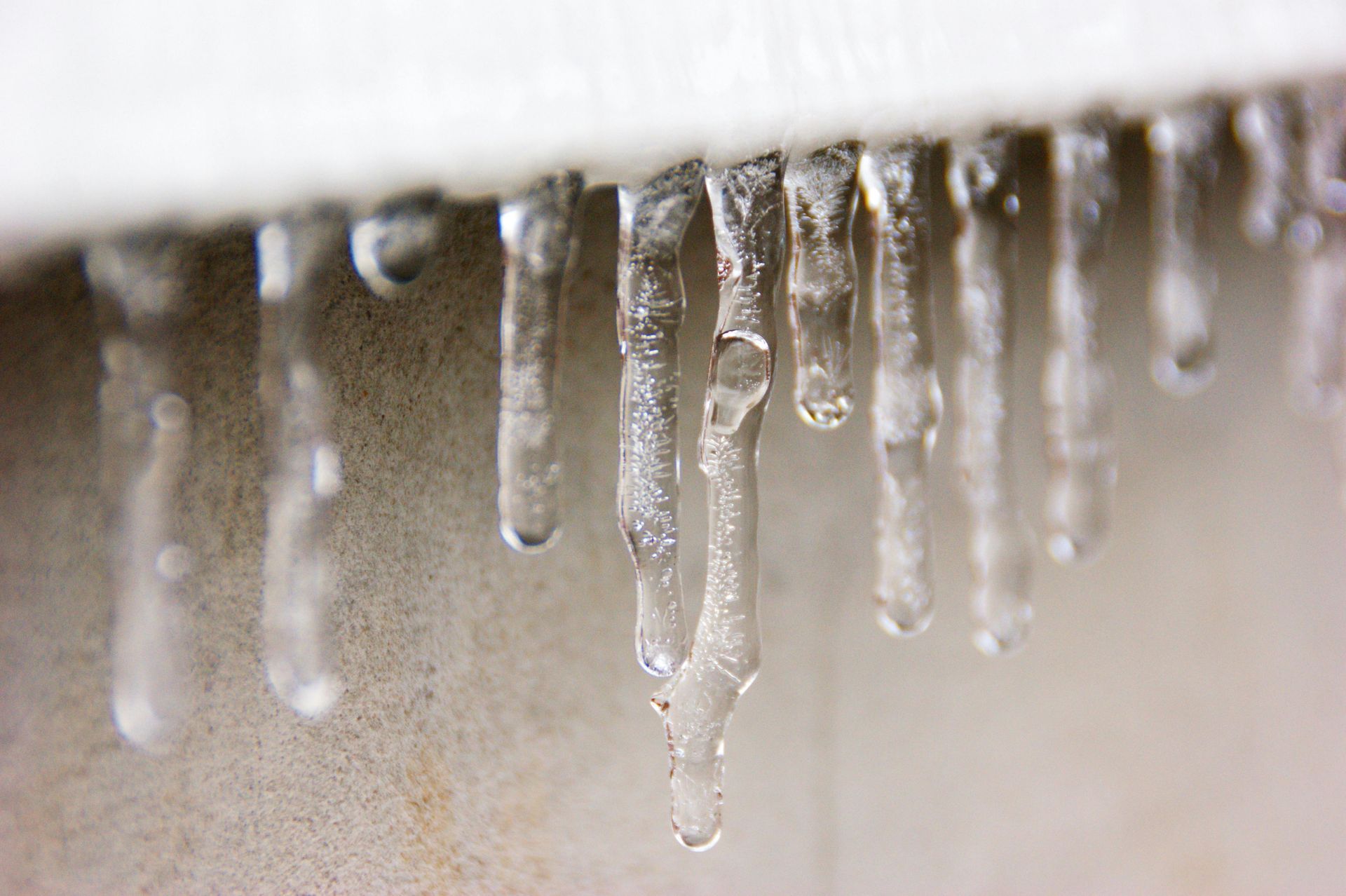
Sudden cold fronts are a defining feature of South Texas winters. Temperatures can drop quickly, winds increase, and humidity shifts dramatically within hours.
Homes built for coastal environments are designed to handle these changes without discomfort or damage.
Why Cold Fronts Are Stressful for Homes
Cold fronts introduce:
- Rapid temperature changes
- Increased wind pressure
- Condensation risk
- HVAC strain
Homes without proper sealing and moisture control often struggle during these transitions.
Air Sealing Is the First Line of Defense
The biggest issue during cold fronts is uncontrolled air movement.
Cold, dry air meeting warm, humid air creates condensation inside wall cavities if air leaks exist. This moisture can damage insulation and framing.
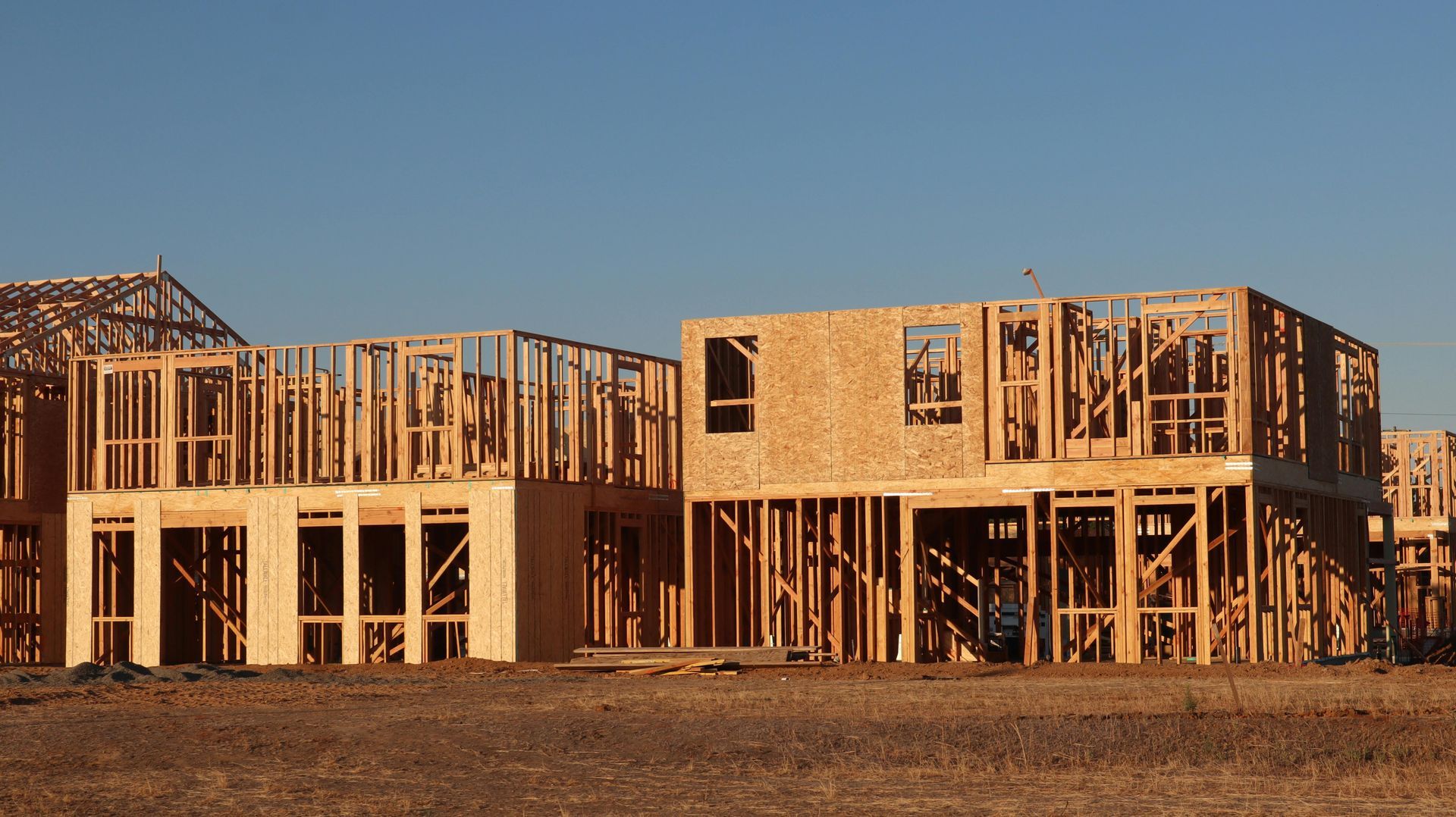
STHB designs homes with continuous air barriers to minimize these risks.
HVAC Systems Must Be Balanced
Oversized HVAC systems may struggle during sudden changes.
Well-designed systems:
- Maintain consistent indoor temperatures
- Remove moisture effectively
- Respond smoothly to temperature swings
Right-sizing equipment is more important than maximum output.
Protecting Materials and Finishes
Cold fronts can stress materials through expansion and contraction.
Homes built with:
- Flexible sealants
- Proper flashing
- Ventilated assemblies
handle these changes without cracking, separating, or leaking.
Why Coastal-Grade Design Matters Year-Round
Cold fronts highlight weaknesses that already exist.
Homes designed for coastal conditions perform better not just during storms—but during everyday weather shifts. This is why STHB builds for the environment, not just the season.
NEWS