Designing a Multi-Use Bunkroom: From Kids to Weekend Guests
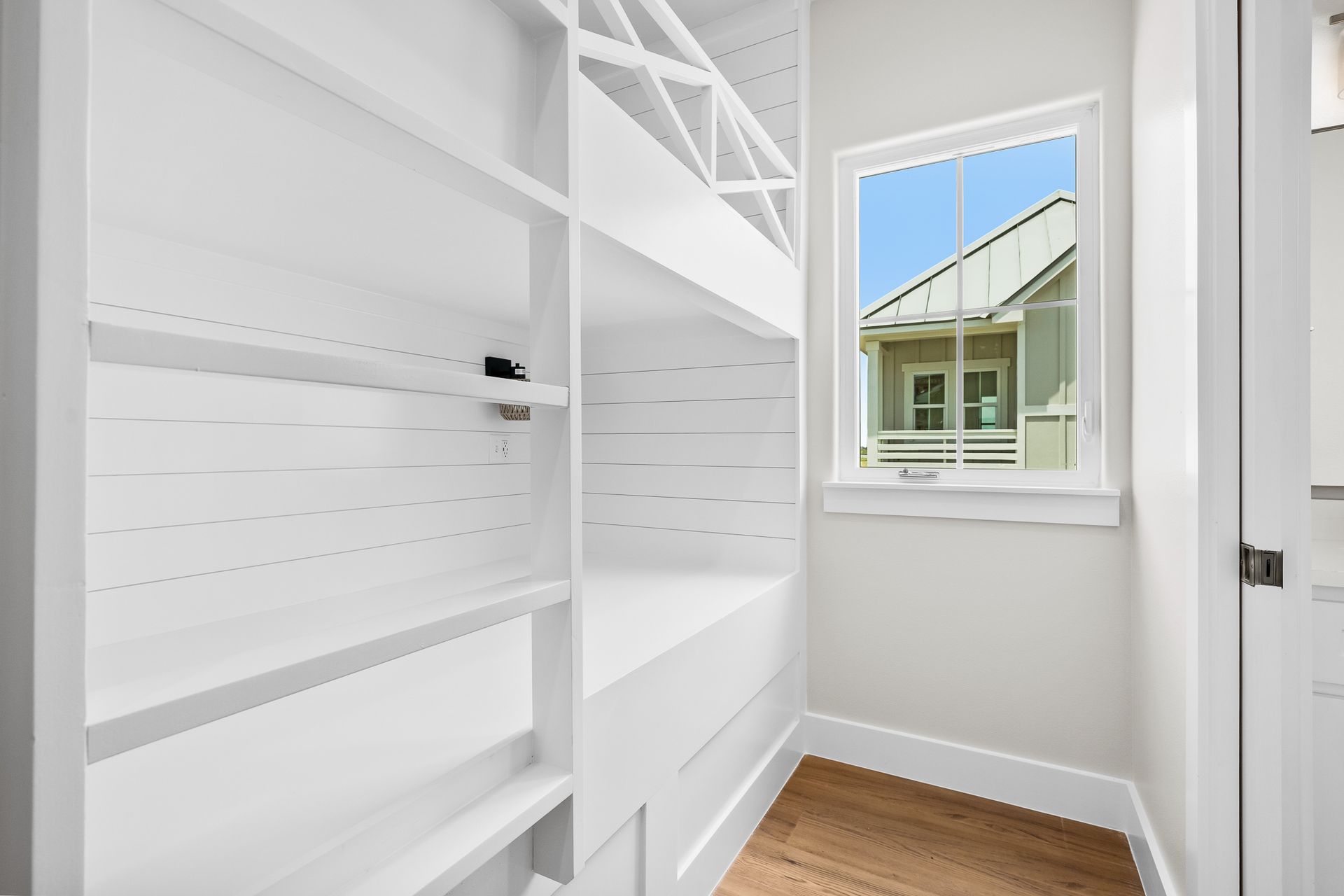
Few spaces in a home adapt as gracefully as a bunkroom. It can be a kid’s retreat, a weekend guest suite, or a hybrid of both. Along the Texas coast, where family visits and large gatherings are common, a well-planned bunkroom adds charm and flexibility without sacrificing order.
South Texas Home Builders incorporates bunkrooms into many floorplans for coastal and rural clients. Here’s what turns a novelty into a functional, durable space.
1. Layout and Flow
A good bunkroom starts with circulation—enough clearance for movement but compact enough to feel cozy.
- Built-in bunks maximize wall space and create a tidy look.
- Under-bed drawers provide hidden storage for linens and toys.
- A small seating zone or reading nook keeps guests or kids comfortable when not sleeping.
Think about who will use the space: younger kids need visibility and soft finishes; adult guests appreciate privacy and accessible outlets.
2. Materials That Handle Humidity
Coastal air brings salt and moisture indoors, so finishes should be practical.
- Walls: satin or semi-gloss paints resist fingerprints and humidity better than flat finishes.
- Floors: luxury vinyl plank, sealed hardwood, or porcelain tile prevent warping and clean easily after sandy shoes.
- Cabinetry: marine-grade plywood or sealed MDF hold up longer than particleboard.
- Hardware: corrosion-resistant hinges and pulls keep the space polished.
Every surface should be easy to wipe down after a weekend crowd or a humid spell.
3. Lighting and Comfort
Lighting defines how the space feels and functions.
- Wall-mounted reading lights or recessed fixtures by each bunk eliminate clutter.
- A ceiling fan maintains airflow, especially on still, warm nights.
- Dimmers let the room shift from playtime brightness to calm evening light.
Adding USB ports and outlets near each bunk avoids extension cords and makes the room feel modern and thought-through.
4. Adaptable Over Time
As families grow, so should the room’s purpose. Built-ins can evolve with new mattresses or become daybeds and lounge seating later. Neutral finishes and sturdy materials keep the room timeless.
A well-designed bunkroom isn’t about squeezing more beds—it’s about creating a multipurpose haven that fits your lifestyle now and later. That flexibility is what makes it one of the smartest additions to a coastal home.
NEWS