Building Through Winter in South Texas: What Actually Changes 🏗️❄️

Winter in South Texas doesn’t stop construction—but it does change how experienced builders plan and execute projects. Unlike colder regions where snow and freezing temperatures shut sites down, winter here is about managing moisture, wind, and scheduling—not survival conditions.
At South Texas Home Builders, winter construction is treated as a strategic advantage, not an obstacle.
What Winter Really Looks Like in South Texas
Typical winter conditions include:
- Mild daytime temperatures
- Sudden cold fronts
- Increased wind
- Occasional rain events
- Shorter daylight hours
These conditions rarely halt construction entirely, but they do require awareness and adjustment.
What Doesn’t Change
Many core construction activities continue uninterrupted:
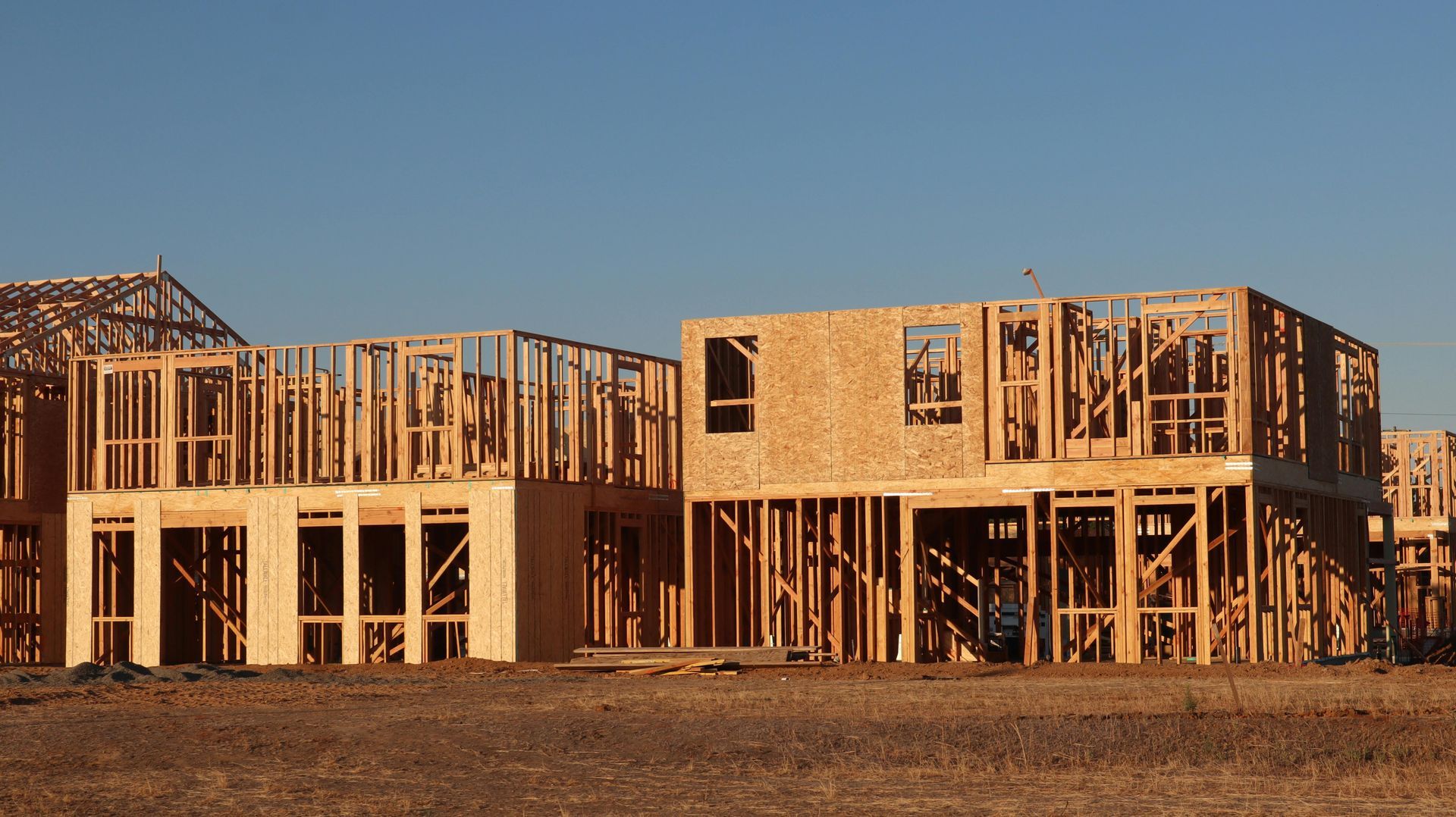
- Framing
- Roofing
- Mechanical rough-ins
- Exterior cladding
- Interior work once dried-in
Because freezing temperatures are rare, materials like concrete, adhesives, and sealants are still usable with proper timing and monitoring.
What Does Change
Winter affects sequencing and pacing more than scope.
Builders adjust for:
- Wind conditions during framing and roofing
- Moisture management after rain
- Daylight availability
- Holiday scheduling of trades and inspections
STHB plans around these factors to keep progress steady rather than rushed.
Why Winter Can Be a Smart Time to Build
Winter construction offers several advantages:
- Less competition for skilled trades
- Easier inspection scheduling
- Reduced material lead-time congestion
- Cooler temperatures for exterior work
Homes that begin or progress during winter are often better positioned for efficient spring completion.
How Experience Makes the Difference
Inexperienced builders treat winter as a slowdown. Experienced builders treat it as a planning phase.
STHB’s familiarity with South Texas conditions allows projects to move forward responsibly, protecting quality while maintaining momentum.
Winter doesn’t stop good construction—it rewards preparation.
NEWS