Building Near the Beach in Texas: Dune Permits and Beachfront Construction Certificates 🏖️📋
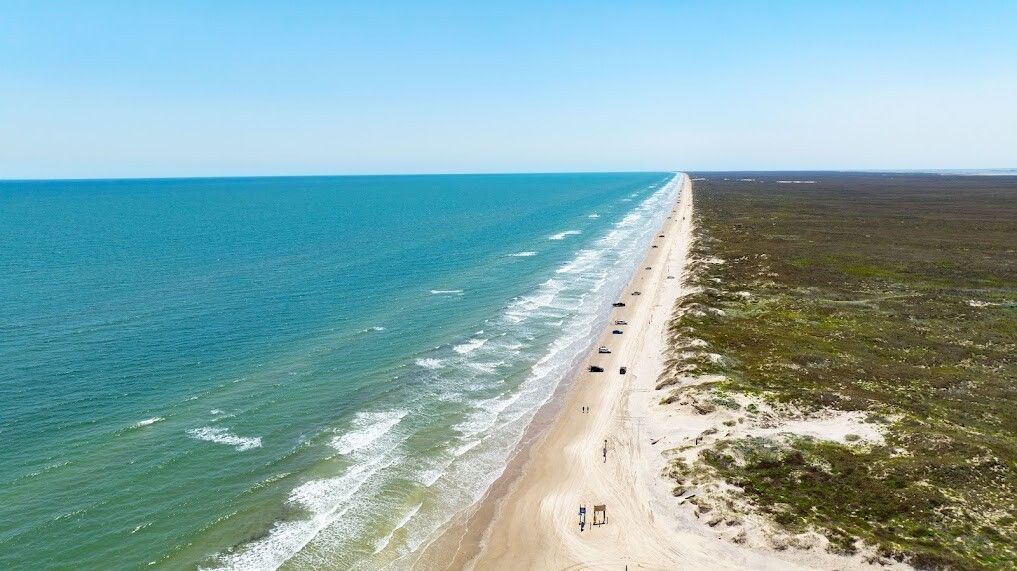
Building within 1,000 feet of the Texas Gulf shoreline adds an extra approval step before construction starts.

If your lot is close to the Gulf, a regular building permit is not the only approval you need. Texas protects public beach access and coastal dunes, and construction near the shoreline goes through an extra review first.
Why the Extra Review Exists
Two state laws drive it: the Texas Open Beaches Act, which protects the public's right to use the beach, and the Dune Protection Act, which protects the dunes that buffer the coast from storms. Construction near the beach cannot impair public beach access or materially weaken dunes or dune vegetation.
Does Your Lot Need One?
The review applies to construction within 1,000 feet of mean high tide, or seaward of the first public road parallel to the beach, whichever distance is greater. Construction here is broader than the house itself. It includes clearing, filling, excavation, bulkheads and substantial improvements, along with anything that affects dunes or dune vegetation.
What You Apply For
Beachfront construction certificate: Confirms the project is consistent with the local government's dune protection and beach access plan.
Dune protection permit: Authorizes work that affects dunes, such as construction seaward of a dune protection line.
Many local governments handle both together. The City of Corpus Christi, for example, accepts beachfront construction certificate and dune protection permit applications through its Development Services department.
Who Reviews It and How Long It Takes
Your local government reviews the application and sends it to the Texas General Land Office (GLO) for comment. According to the GLO, it has 10 days to comment on small projects under 5,000 square feet and 30 days on larger projects. The local government then approves or denies the permit based on its plan.
Plan for It Early
Beachfront approvals come on top of the other coastal requirements:
Windstorm certification: New homes in the 14 coastal counties of the TDI catastrophe area must meet Texas Department of Insurance windstorm standards to qualify for TWIA coverage.
Flood zone rules: Lots close to the Gulf are often in V zones, which require an elevated home on pilings.
Site design: Driveways, decks and walkovers all count as construction, so they need to fit the plan too.
Builder Tip: Ask for a survey that shows the line of vegetation and any dune protection line before you finalize a site plan. Where the home sits on the lot can decide how smooth the approval goes.
Building on the Beach? Start the Conversation Early
We build coastal homes on North Padre Island, Mustang Island and across the Coastal Bend. For more on elevation rules, read our post on slab vs. stilts foundations. When you are ready, reach out with your lot details and we will help you map out every approval your project needs before design is final.
NEWS